Imagine stepping onto brick sidewalks in the morning, coffee in hand, as seagulls circle over the Merrimack and the tide lifts boats in the harbor. If you’re dreaming of a walkable coastal lifestyle with real New England character, Newburyport’s historic downtown may be on your short list. In this guide, you’ll get a clear picture of daily life here, from housing and commuting to dining, errands, and the rhythms of the waterfront. You’ll also see how Newburyport stacks up against other nearby towns so you can decide if it fits your goals. Let’s dive in.
Downtown Newburyport at a glance
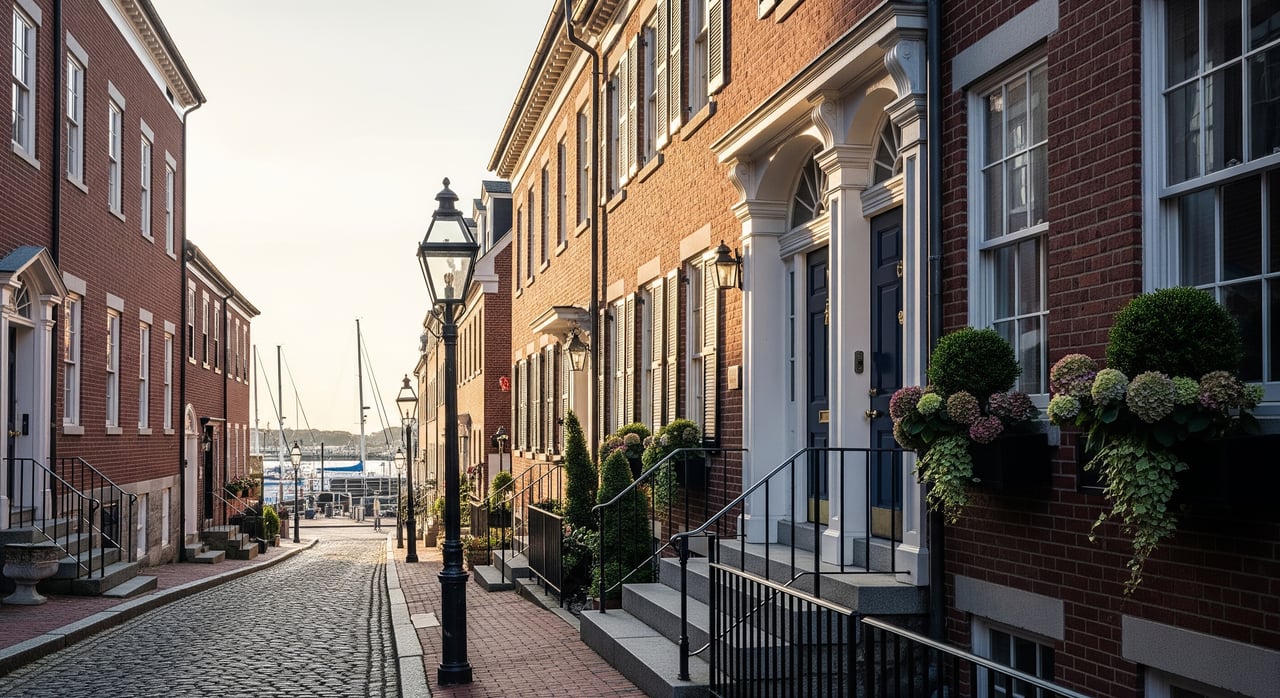
Newburyport’s historic downtown is compact, walkable, and rich with preserved architecture. You’ll find a tight grid of narrow streets lined with Federal and Victorian buildings, plus thoughtful infill that keeps the scale human and cohesive. The riverfront and harbor set the tone, with promenades and moored boats framing everyday life.
The core streets bring you a cluster of independent restaurants, cafés, and boutiques within easy walking distance of municipal parking and the commuter rail. In summer, foot traffic swells as beachgoers and visitors arrive, which brings a lively energy to patios and parks. Off season, the pace relaxes and the area feels more residential in tone, with shorter waits and easier parking.
Public spaces and events keep things active year round. Small parks, waterfront greenways, farmers’ markets, and seasonal festivals add to the rhythm of the week. The long-running Yankee Homecoming celebration is a hallmark of the summer calendar and draws locals and visitors alike.
Housing and home styles downtown
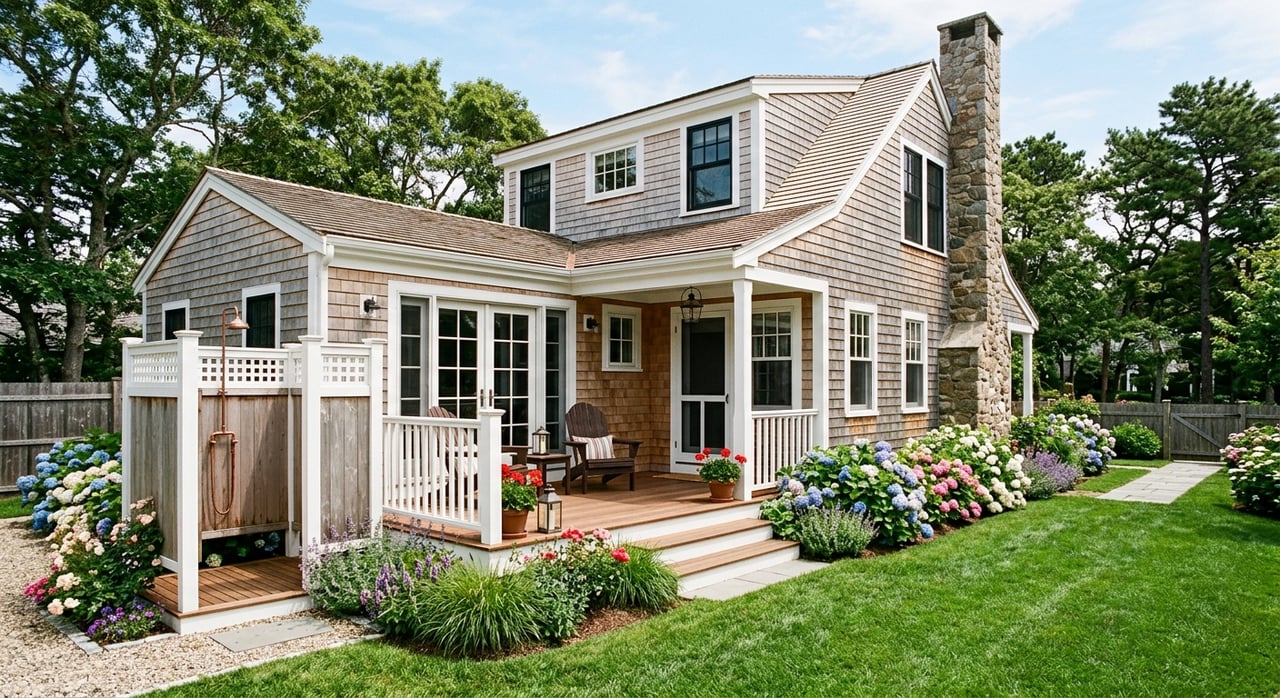
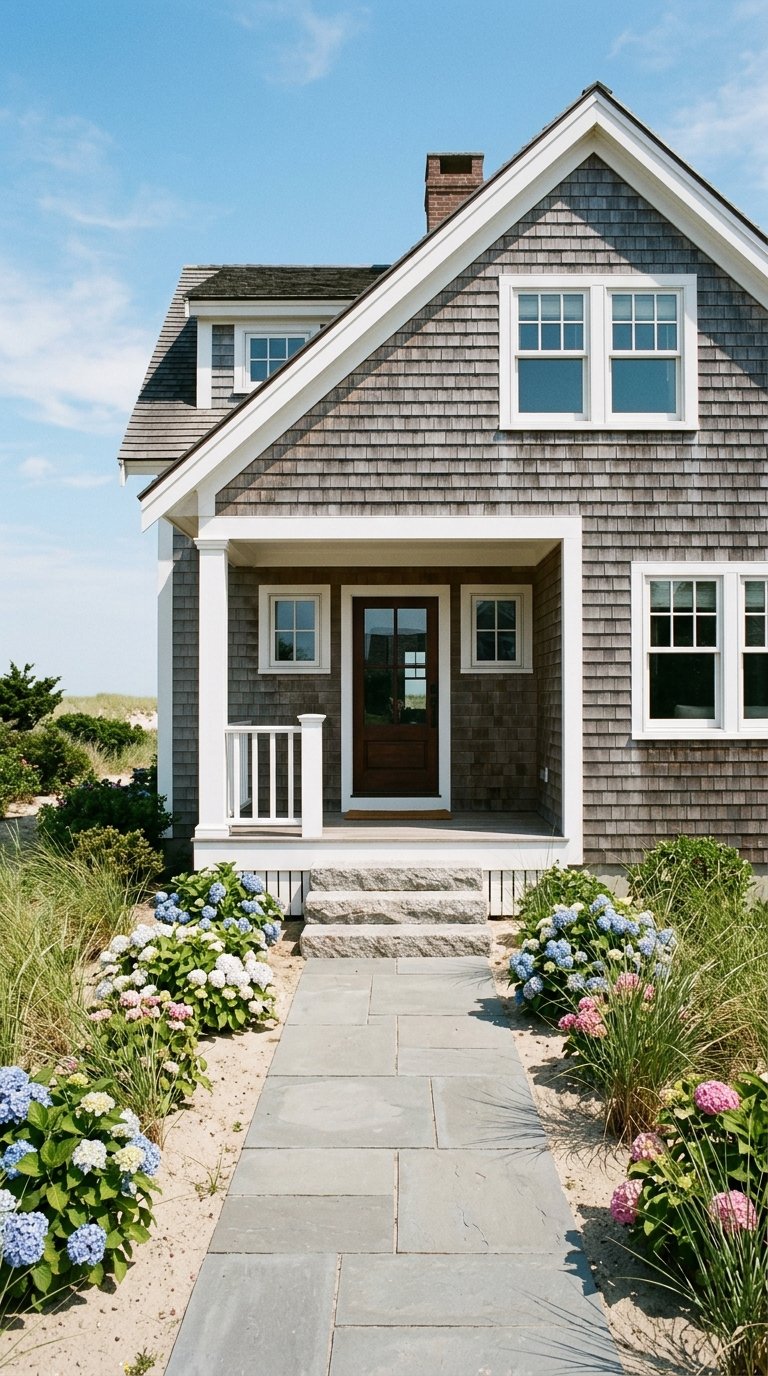
If you love older homes with character, you’ll have options. Downtown housing includes condos in converted historic commercial buildings, classic rowhouses and townhouses, small detached single-family homes, duplexes and three-deckers, and selective newer infill condos. Many properties have been lovingly restored, while others invite you to shape a renovation plan.
There is a clear downtown premium. Homes in the historic core, and those with river or marsh views, often carry higher prices. Buyers who value walkability, water access, and architectural charm tend to cluster here, including commuters, downsizers, and second-home owners.
Older homes come with practical considerations. Expect to evaluate roofing, mechanical systems, insulation, and period-appropriate restoration. Historic-district guidelines can limit exterior alterations, and design review may apply to certain changes. If you’re considering updates, factor in permitting, timelines, and preservation rules.
Where you might live
- Compact downtown core: Steps to restaurants, cafés, and retail, plus easy access to the commuter rail and municipal parking.
- Riverfront and marina blocks: More views and easy access to boating and promenades.
- Adjacent residential streets: Quieter settings with single-family homes a short drive or bike ride from the core.
- Nearby barrier-island and marsh areas: Plum Island and the Parker River area offer outstanding recreation but are physically separate from downtown living.
Who chooses historic downtown
You’ll see a mix of commuters to Boston, local business owners, retirees, and seasonal residents. Many people choose downtown to park the car for the weekend and walk to dinner, the bakery, and the waterfront. The area’s scale and services support everyday routines without a suburban sprawl feel.
Everyday life on foot
Errands and essentials
Downtown supports daily living with specialty grocers, cafés and bakeries, pharmacies, and services clustered within a few blocks. For larger grocery runs and big-box items, you’ll find regional options a short drive away. The public library and municipal services are centrally located and easy to reach.
Healthcare needs are covered locally by a community hospital and clinics, with higher-acuity care available in the broader Merrimack Valley and Boston. If schools matter to your search, Newburyport Public Schools serves the area. Always verify enrollment boundaries and program offerings directly with the district.
Waterfront and the outdoors
The Merrimack River and harbor shape daily life. Stroll the waterfront promenades, watch the boats, and take advantage of marinas and seasonal charter options if you own or enjoy time on the water. Local menus highlight regional seafood, a natural extension of the area’s maritime setting.
Plum Island and the Parker River National Wildlife Refuge are close by and offer long beaches, dunes, and outstanding birdwatching. The surrounding Great Marsh and salt marsh habitats give the landscape its unique character. These natural features also influence local conservation priorities and flood planning.
Seasonality is part of the experience. Summer brings a noticeable uptick in visitors, which can affect parking and restaurant waits. In late fall and winter, you’ll get a quieter, more residential feel, and some businesses may adjust their hours.
Getting around and commuting
Commuter rail to Boston
The MBTA Newburyport/Rockport Line connects Newburyport to North Station in Boston. Service is commuter oriented, with peak and off-peak schedules. Exact travel times vary by departure and transfers, so check the latest timetable before you go. Many residents rely on the train for part or all of their weekly commute.
Driving and regional access
Newburyport connects to I-95 and Route 1, making regional drives straightforward in light traffic. Peak hours can add time, especially toward Boston and major employment centers. If you commute by car, plan for variability and consider alternative routes when needed.
Local mobility and parking
Walkability downtown is a standout. Many errands can be done on foot, and it is easy to leave the car parked on weekends. Car ownership remains common for regional errands and out-of-town commuting. Expect a mix of municipal lots, on-street meters, and private garages in the core. Parking near the commuter rail can be limited at peak times, and permits or fees may apply.
A day in the life: micro-itineraries
Weekday morning
Start with a short walk to a favorite café for coffee and a pastry. If you commute, head to the station for the early commuter rail or jump on I-95 before peak congestion builds. If you work locally or from home, use a mid-morning break for a riverfront walk and fresh air.
Saturday errand loop
Stroll to the farmers’ market in season for produce and flowers, then swing through specialty food shops for cheese or fresh seafood. Pick up a book at the library and drop by a home goods boutique before heading home. The entire loop fits cleanly within a few walkable blocks.
Summer evening
Meet friends on a patio overlooking the water for oysters or a favorite local dish. Catch a performance or gallery opening, then wander the harbor promenade as the light fades and mooring lines clink. On a clear night, you may hear a distant foghorn and smell the salt air as the tide turns.
Practical notes for buyers and sellers
Cost and competition
Expect a premium relative to many inland communities. The coastal setting, historic character, and strong walkability elevate demand. Inventory in the most desirable niches, such as small historic townhouses and waterfront condos, can be tight. Well-presented listings tend to attract early interest.
Flood risk and insurance
Parts of downtown near the river and marshes may sit within FEMA flood zones. If you are buying or selling, evaluate flood maps, elevation, and any local conservation overlays. Budget time to assess insurance options, possible mitigation steps, and future sea-level considerations as part of due diligence.
Maintenance, renovation, and rules
With older homes, plan for system upgrades like electrical, heating, and insulation. If you intend to change exteriors or add to a property, review local historic-district rules and zoning early. Conversions from historic commercial spaces can be rewarding but often involve added permitting and code complexity.
Taxes and municipal services
Property tax rates and local fees vary by community, so compare Newburyport with nearby towns as you refine your budget. Municipal services like trash, snow removal, and water or sewer are robust for a small city and are easy to access from the downtown core.
How Newburyport compares to other towns
Salem: Larger and more tourism centered year round. Newburyport is smaller, more maritime in tone, and easier to cover on foot in a single outing.
Marblehead, Gloucester, Rockport: Marblehead leans into yachting and historic village life, while Gloucester and Rockport have a stronger working-waterfront and arts identity. Newburyport sits in the middle, with a full-service downtown and a strong harbor focus.
Portsmouth, NH: Similar historic charm and a lively restaurant scene, with cross-state tax and commute considerations. Newburyport can feel a bit quieter depending on the block and season.
Boston suburbs like Cambridge, Newton, Framingham: Closer to Boston and served by higher transit frequency. Newburyport trades a longer commute for a coastal lifestyle, walkable historic streets, and quick access to beaches and marshes.
Is historic downtown right for you?
Choose downtown if you want to walk to coffee, linger by the water, and live among preserved architecture that tells the city’s story. It suits buyers who value convenience without sacrificing character, and sellers who know their home’s charm is part of its appeal. If you need regular big-box shopping at your doorstep or ultra-short commutes, you may prefer a different setting and visit Newburyport on weekends.
Here are a few signs downtown could be a fit:
- You want a small-city feel with strong walkability.
- You love waterfront access, boardwalks, and seasonal events.
- You appreciate older homes and are comfortable planning for maintenance.
- You are open to a commuter rail or variable driving times for work.
Ready to explore homes or discuss timing for a sale? Reach out to Marc Ouellet to get local guidance tailored to your goals. Schedule a Consultation to map the best path forward.
FAQs
What is the commute from downtown Newburyport to Boston like?
- The MBTA Newburyport/Rockport Line serves Newburyport with direct service to North Station. Schedules are commuter oriented, so check current timetables for exact trip times.
Are downtown Newburyport homes in a flood zone?
- Some river- and marsh-adjacent areas may be in FEMA flood zones. Review flood maps, elevation, and insurance options during your home search or sale preparation.
What types of housing are common in Newburyport’s historic core?
- You’ll find condos in converted historic buildings, rowhouses and townhouses, small single-family homes, duplexes and three-deckers, and selective newer infill condos.
How busy does downtown Newburyport get in summer?
- Summer brings a noticeable increase in visitors for beaches, dining, and events like Yankee Homecoming, which can affect parking and restaurant availability.
What should I know about renovations in a historic-district home?
- Exterior changes may be subject to historic-district review and local zoning. Plan ahead for permits, timelines, and preservation guidelines when scoping your project.