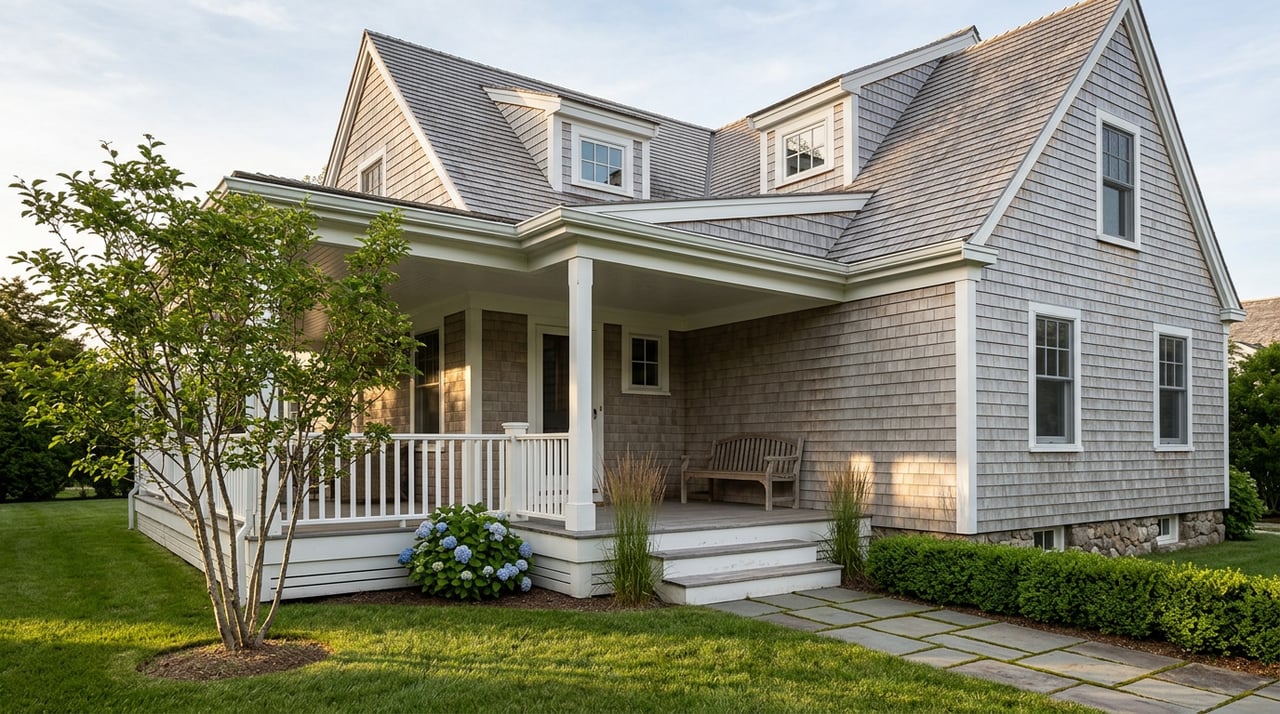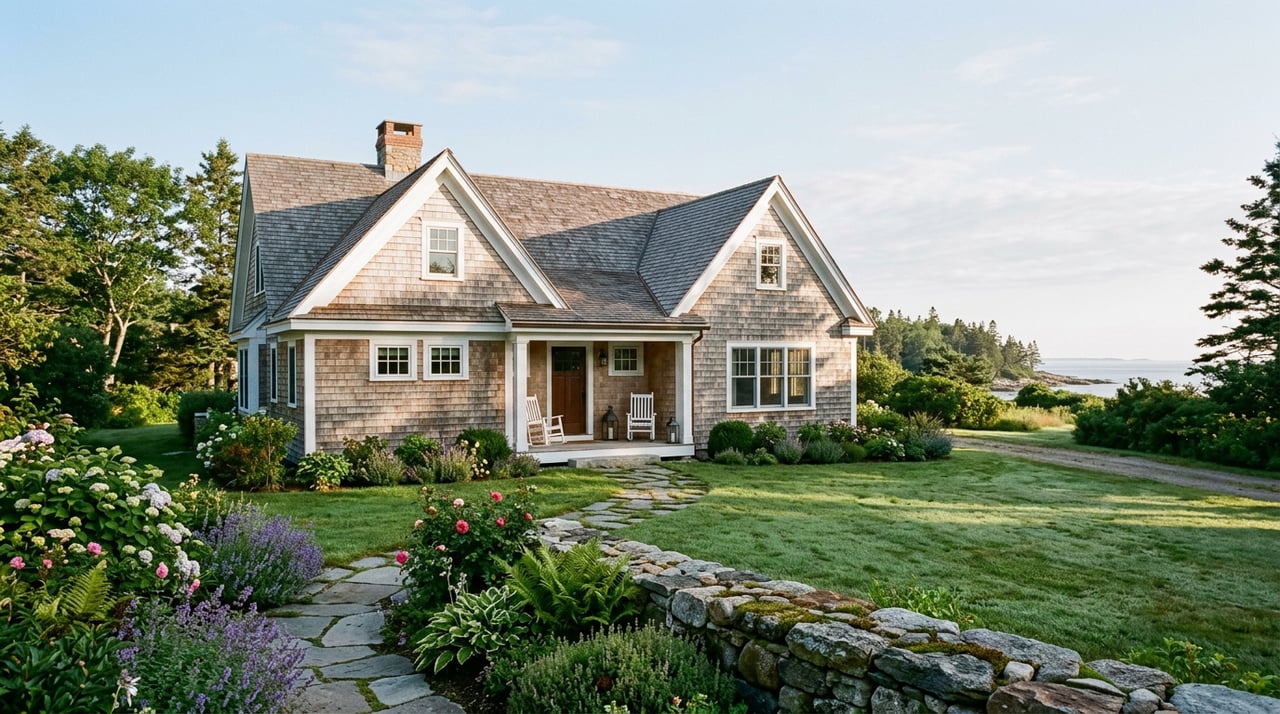
Wondering whether West Newbury gives you enough space to grow without giving up convenience? If you are weighing schools, commute patterns, outdoor time, and day-to-day rhythm, this small Essex County town deserves a closer look. West Newbury offers a quieter, more residential setting with strong access to trails, in-town schools, and regional road connections. Let’s take a practical look at what living here can feel like for a growing household.
West Newbury at a Glance
West Newbury is a small, mostly residential town in Essex County, about 35 miles north of Boston on the eastern edge of the Merrimack Valley. Town planning documents describe it as a semi-rural community along the Merrimack River, with open land, woods, and even Christmas tree farms. The population is about 4,500, which helps explain why the town often feels quieter and less built-up than many nearby communities.
That setting can be appealing if you want more breathing room in your everyday routine. West Newbury has roots as a farming town, and while some areas have become more suburban over time, the overall character still leans scenic, residential, and spread out. If your ideal move-up destination includes a calmer backdrop, this town checks that box.
Why Growing Families Consider West Newbury
For many buyers, the draw is not just one feature. It is the combination of schools, open space, and a lifestyle that feels more relaxed while still staying tied into the North Shore and Merrimack Valley. You can get a more country-road feel here without being completely cut off from nearby job centers and services.
The town plan also points to a strong sense of place. Main Street, also known as Route 113, runs through town, and the historic Training Field is described by the town as central to West Newbury’s geography, history, and heart. That kind of civic core can matter when you are looking for a town that feels established and easy to understand.
School Setup in West Newbury
West Newbury is served by the Pentucket Regional School District, which also includes Groveland and Merrimac. In town, Dr. John C. Page School serves PreK through grade 6 at 694 Main Street. Pentucket Regional Middle School and Pentucket Regional High School are both located at 24 Main Street and serve grades 7 to 8 and 9 to 12.
That setup can simplify the school-day map for families. Instead of spreading your routine across multiple towns for every grade level, much of the district experience tied to West Newbury is easy to locate along Main Street. For buyers trying to picture daily logistics, that matters.
Early Education and Kindergarten Options
The district also offers preschool programming and free full-day kindergarten for eligible 5-year-olds. If you are planning ahead for younger children, that is a useful part of the overall picture. It gives you a clearer sense of what the early years may look like if you settle in town.
Before- and After-School Care
The Page School lists before- and after-school care for registered students. Before-school care runs from 6:45 a.m. to 8:25 a.m., and after-school care runs from 3:00 p.m. to 5:30 p.m. For working parents or households juggling changing schedules, those hours can make a real difference in how manageable the week feels.
Outdoor Life and Weekend Routines
One of West Newbury’s standout strengths is its access to open space. For a town of its size, it offers a broad mix of trails, conservation areas, farmland views, and river access. If your idea of family time includes fresh air instead of packed parking lots, this is one of the town’s biggest advantages.
The town’s roads are often described as scenic country roads, and local planning materials note that they are well suited to hiking, biking, jogging, and nature observation. That does not mean every road is built for a walkable daily errand pattern. It does mean the landscape supports a lifestyle that feels tied to the outdoors.
Trail Networks to Know
Mill Pond & Pipestave Hill is the town’s largest trail network at 270 acres. The trail guide describes it as a multi-use area popular with dogs and horses, with winter skating as part of the seasonal mix. Trails also connect across Route 113 to Riverbend and the Page School area, adding to the sense that nature access is built into everyday life.
Other local trail and conservation areas include:
- Artichoke River Woods
- Riverbend/Page School
- River Road Preservation Area
- Dunn Field
- Withers Conservation Area
- Atherton Trail/Pikes Bridge Road
- Indian Hill Conservation Area
This range gives you options for short walks, longer outings, and easy routine changes when the weather is good and everyone needs to get outside.
River Access and Wildlife
The Merrimack River adds another layer to the town’s appeal. West Newbury’s planning documents say the river supports boating, canoeing, fishing, wildlife observation, and scenic enjoyment. The town also notes a public boat access area near the Rocks Village Bridge that is commonly used by kayaks and fishing boats.
If you are looking for a place where weekends can feel active without needing a big plan, that river connection helps. Riverbend and River Road also offer shoreline walking and birdwatching, and the town specifically associates these areas with bald eagles and great blue herons.
What Daily Commuting Looks Like
West Newbury works best when you go in understanding one key tradeoff. This is not a rail-centered town. If your daily routine depends on train access right in town, West Newbury may feel less convenient than some other local options.
That said, it still offers useful regional connections. The town plan notes that Interstate 95 runs through the eastern end of town, with access via Main Street and South Street. Routes 110, 113, and 133 also connect West Newbury to nearby North Shore communities.
Nearby Rail Options
West Newbury does not have railroad service in town, but MBTA commuter rail is available nearby in Haverhill and Newburyport. For some buyers, that creates a workable hybrid routine where you drive to the station as needed. For others, the extra step may be a drawback worth thinking through before making a move.
A Car-Based Lifestyle
The town plan also notes that West Newbury has limited sidewalks and bike lanes. In practical terms, that means most households should expect a car-based routine for school drop-offs, errands, activities, and commuting. If you are moving from a denser area, this is one of the biggest lifestyle adjustments to consider.
Different Parts of West Newbury
West Newbury is small, but it still has different pockets with distinct feel. These are not formal neighborhood labels in a marketing sense. Instead, they are a helpful way to think about how different parts of town relate to roads, trails, civic spaces, and the river.
Main Street and Training Field
This area tends to feel the most central and civic. With the Training Field at the heart of town and major school buildings located along Main Street, this part of West Newbury can appeal to buyers who want to feel connected to the town’s core.
River Road and Rocks Village Side
This area feels more historic and river-oriented. If access to scenic drives, water views, and a stronger Merrimack River connection appeals to you, this pocket may stand out.
Indian Hill and Bachelor Street Area
This part of town can be framed as more commuter-friendly and trail-adjacent. The town plan identifies the Bachelor Street and Indian Hill route as a major commuter link to Newburyport and I-95, which may matter if you are balancing quiet surroundings with a more regular regional drive.
Crane Neck, Turkey Hill, and Coffin Street
This side of town tends to feel more rural and historic. Buyers who want a deeper sense of space and a less central feel may find this part of West Newbury especially appealing.
Is West Newbury the Right Fit for You?
West Newbury can be a strong fit if you want a quieter home base, in-town school access, and a lot of outdoor space woven into daily life. It is especially appealing for buyers who value trails, river scenery, and a residential setting that feels established rather than heavily built out.
The biggest compromise is convenience in the walk-everywhere or train-in-town sense. Daily life here is largely organized around driving, and that should be part of your decision from the start. If that tradeoff works for your household, West Newbury offers a lifestyle that many growing families find hard to replicate nearby.
If you are comparing West Newbury with other North Shore and Merrimack Valley towns, a local perspective can make the decision much easier. Marc Ouellet can help you weigh school logistics, commute patterns, and the feel of different parts of town so you can move with clarity and confidence.
FAQs
Is West Newbury, MA a good town for growing families?
- West Newbury can be a strong fit for growing families who want a quieter residential setting, in-town schools, significant trail access, and proximity to regional road connections.
What schools serve West Newbury, MA?
- West Newbury is served by the Pentucket Regional School District, with Dr. John C. Page School for PreK through 6 and Pentucket Regional Middle School and High School for grades 7 through 12.
Does West Newbury, MA have before- and after-school care?
- Yes. The Page School lists before-school care from 6:45 a.m. to 8:25 a.m. and after-school care from 3:00 p.m. to 5:30 p.m. for registered students.
Is West Newbury, MA good for outdoor activities?
- Yes. The town offers extensive trail access, conservation areas, Merrimack River recreation, shoreline walking, and opportunities for boating, fishing, and wildlife observation.
Is West Newbury, MA easy for commuting?
- West Newbury offers access to I-95 and regional routes, but it does not have rail service in town, and daily life is largely car-based due to limited sidewalks and bike lanes.
What part of West Newbury, MA feels most central?
- The Main Street and Training Field area generally feels the most civic and central, with town landmarks and school locations helping anchor that part of the community.