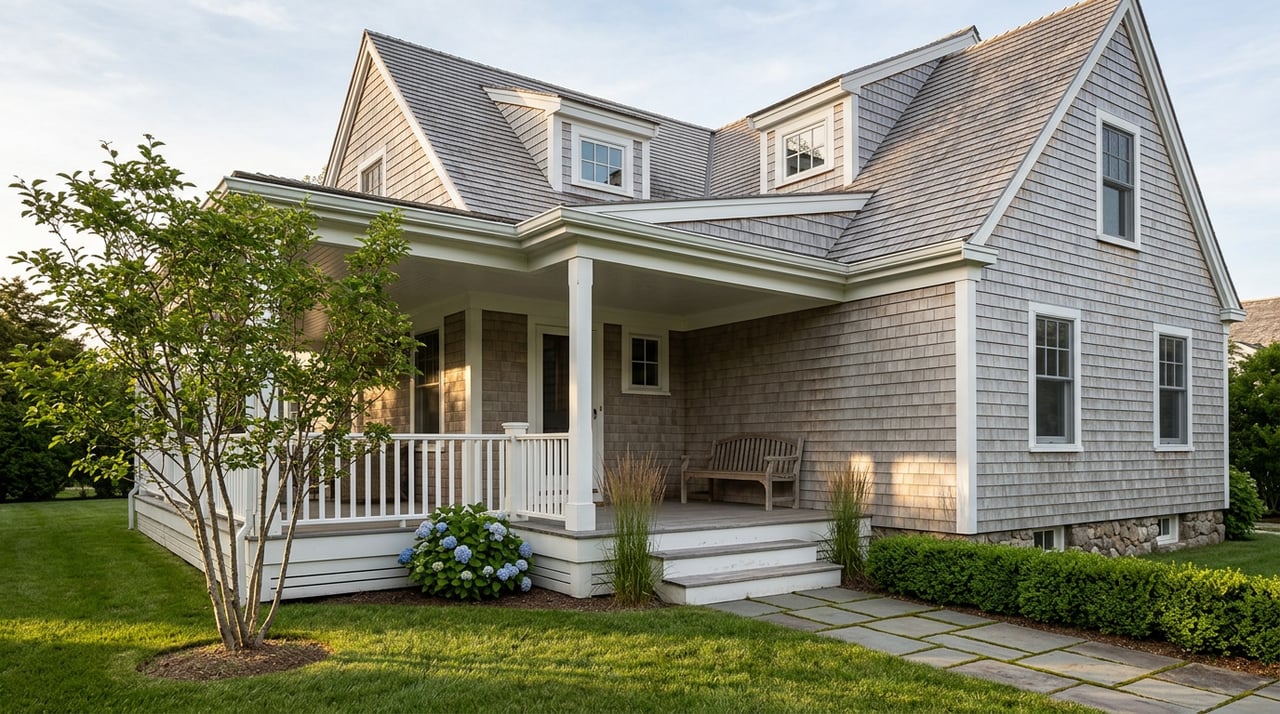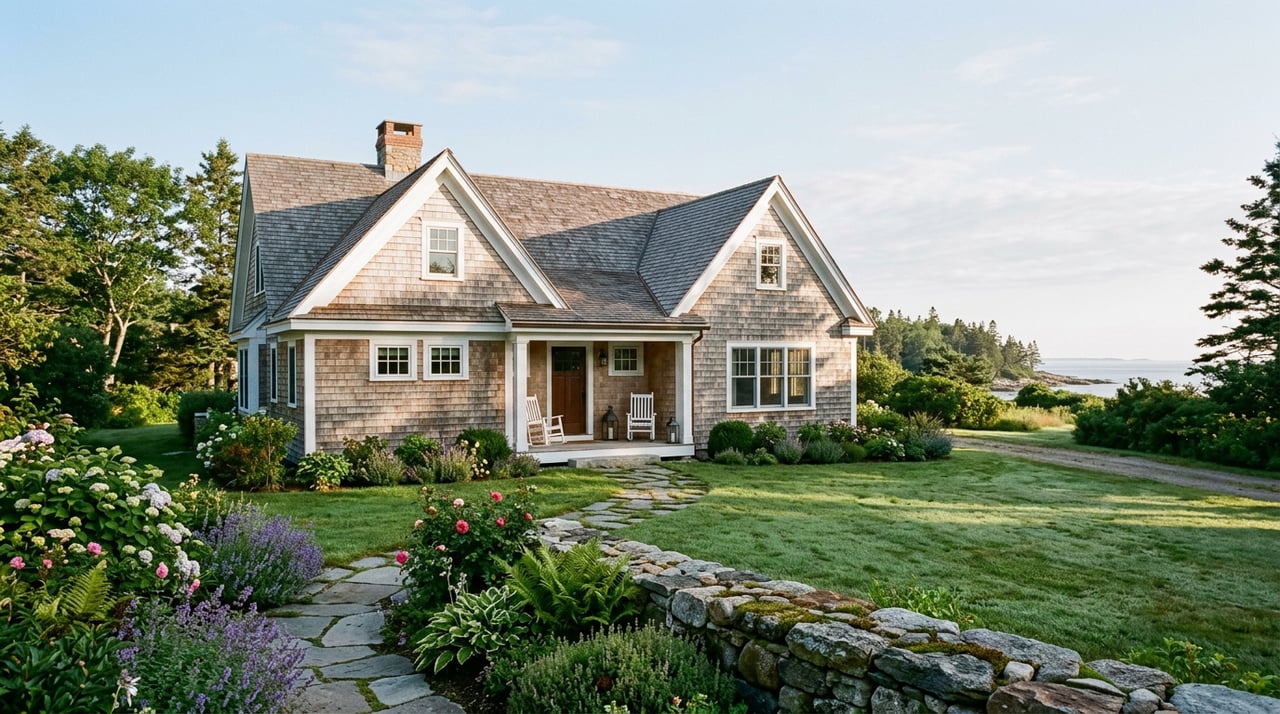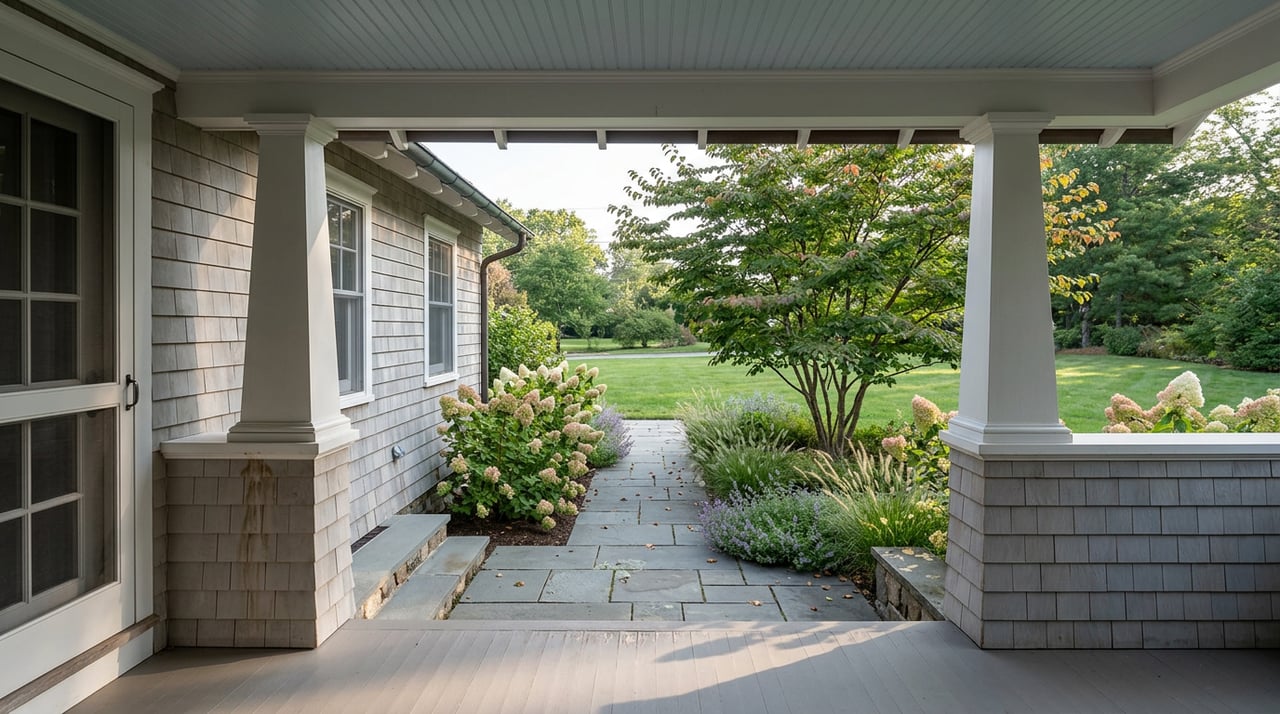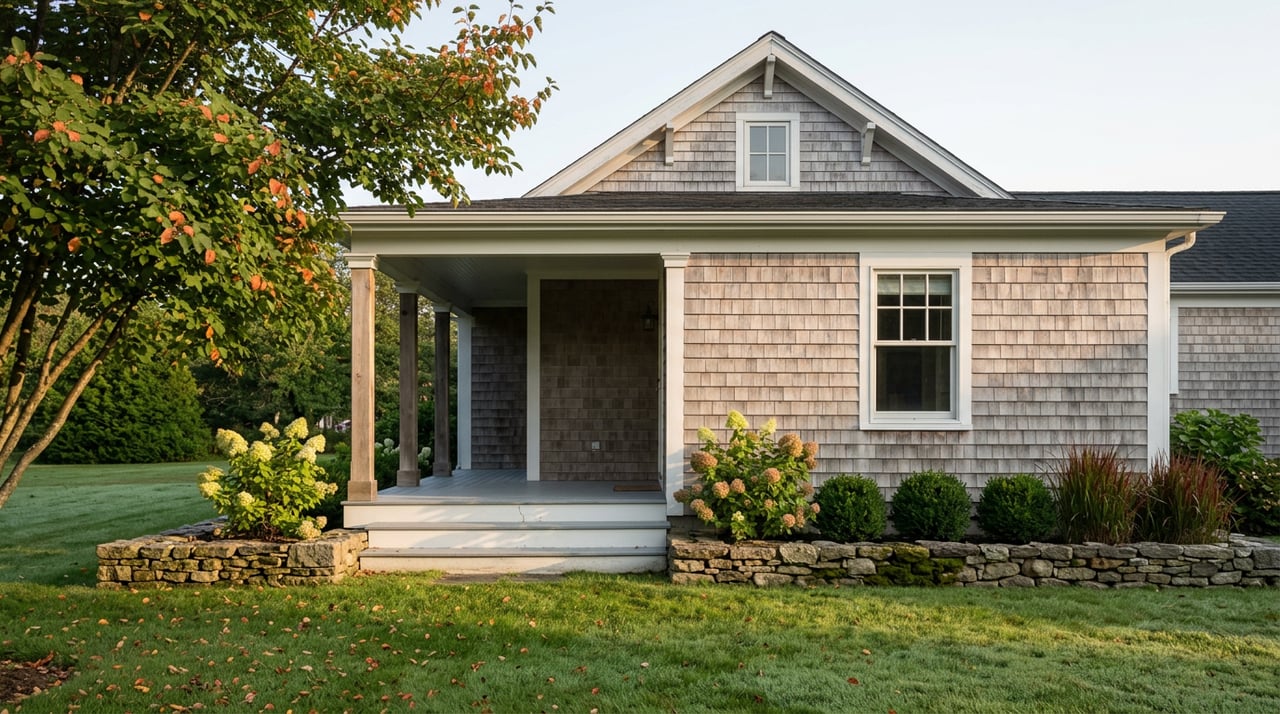
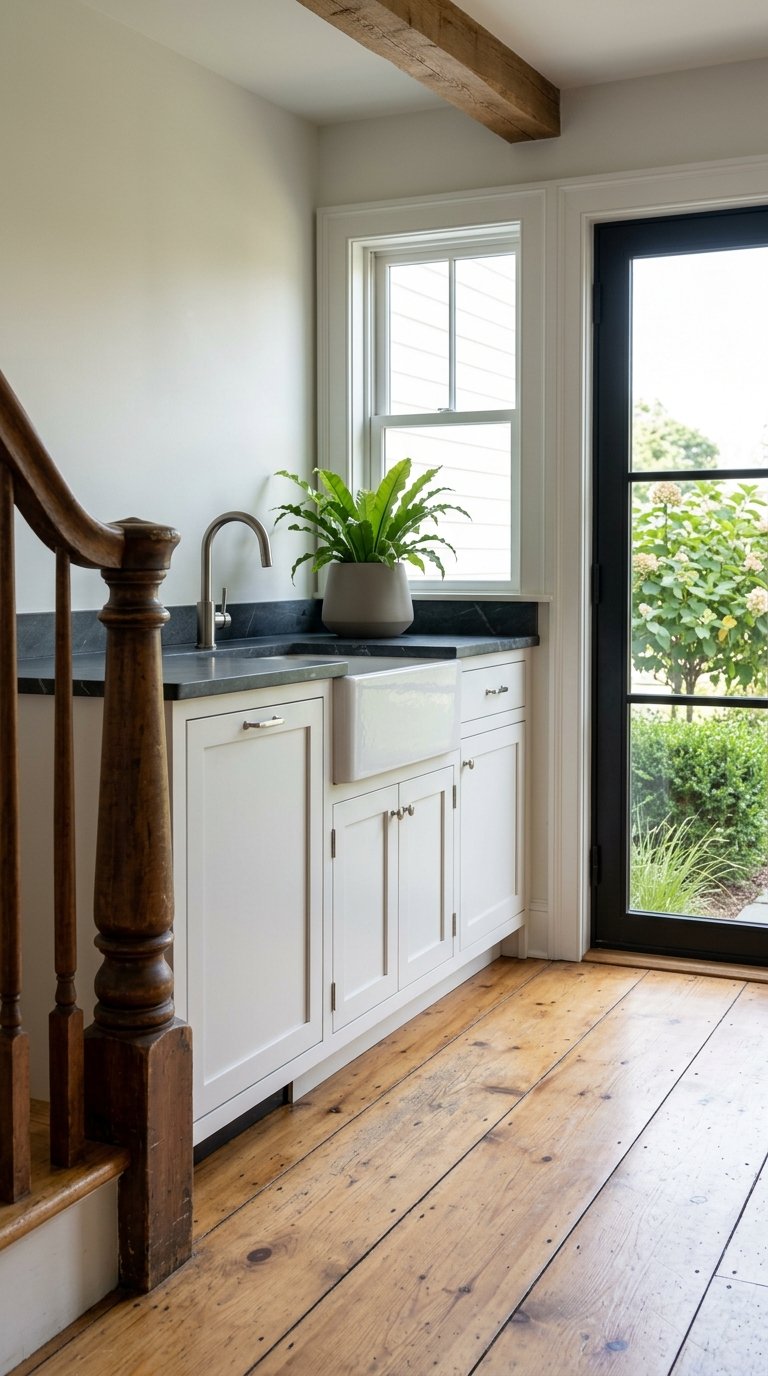
Choosing between new construction and antique charm in Newbury is not just about style. It is about how you want to live, what kind of projects you are willing to take on, and how flexible you need to be in a market with limited inventory. If you are weighing an older home against a newer build, understanding Newbury’s housing mix, land-use limits, and common property issues can help you make a smarter decision. Let’s dive in.
Newbury homes start with scarcity
Newbury is a town where older housing still shapes the market. According to the town’s 2024 to 2029 Housing Production Plan, almost half of the housing stock was built before 1960, and only 3% was built after 2010.
That matters because your options are naturally tilted toward older homes. The same plan shows that about 80% of occupied homes are owner-occupied, and the housing mix leans heavily toward detached single-family properties. In other words, if you want a home in Newbury, you are often choosing among limited listings, not a broad mix of old and new.
Why antique homes appeal in Newbury
Antique homes in Newbury often offer something newer homes cannot easily copy: history, detail, and a lived-in sense of place. In a community that includes Old Town, Byfield, and Plum Island, older homes are part of the town’s identity as a residential and agricultural coastal community.
Local history also helps explain why antique homes can feel unique from room to room. Historic New England’s Coffin House, built in 1678 and expanded over time, is a strong example of how older homes often gained additions, partitions, and lean-tos across generations. That same pattern can show up in many antique homes through layered layouts, mixed-era finishes, and less standardized floor plans.
Character can mean flexible expectations
If you love antique homes, it helps to expect some quirks. You may find uneven room sizes, lower ceilings in some sections, additions from different eras, or a layout that reflects how people lived centuries ago rather than how homes are designed today.
For many buyers, that is part of the appeal. A well-kept older home can offer warmth and personality that feels hard to replicate, especially in a market where location and scarcity can be just as important as square footage.
What to watch with older homes
Antique charm is real, but so is the need for due diligence. In Newbury, older homes often come with practical questions that deserve attention early in your search.
Lead paint matters in pre-1978 homes
If a home was built before 1978, lead-based paint is a key issue to review. EPA data shows that 24% of homes built from 1960 to 1978 and 87% of homes built before 1940 contain some lead paint.
In a town where much of the housing stock is older, that makes disclosure and inspection especially relevant. If you are comparing two homes, one major difference may be whether lead hazards have already been addressed or whether you should plan for further evaluation.
Septic and well questions are common
Some Newbury properties rely on on-site septic systems and private wells, especially in areas such as Byfield. The town’s septic guidance says septic tanks should be pumped every three years and maintained regularly to help prolong system life.
That means an older home is not just about what you can see inside. It is also about understanding the age, maintenance record, and condition of core systems that can affect both costs and day-to-day peace of mind.
Energy upgrades may be part of the plan
Older homes often need efficiency updates even when they are structurally sound and well cared for. Mass Save notes that air sealing and insulation are among the most cost-effective home upgrades and can lower heating and cooling costs by up to 15%.
If you are drawn to antique charm, it is wise to leave room in your budget for comfort improvements. Draft reduction, insulation, and moisture control may help you enjoy the home more without changing its overall character.
Exterior work may need extra review
If you hope to make exterior changes, do not assume every project is straightforward. Newbury has an active Historical Commission and a Local Historic District Study Committee, so preservation and permitting questions are worth checking early.
That does not mean every older property comes with the same restrictions. It does mean that if a home’s historic character is part of its value, you should understand any local review process before making renovation plans.
Why new construction stands out
Newer construction appeals to buyers who want a more predictable starting point. In many cases, the attraction is less about trendier finishes and more about efficiency, comfort, and fewer immediate projects.
ENERGY STAR says NextGen homes are at least 20% more energy-efficient than homes built to typical code levels. These homes also commonly include features like higher-efficiency heat pumps, heat pump water heaters, and EV-charging readiness.
Newer homes can reduce early surprises
A newer home may give you a cleaner baseline on systems, insulation, and overall performance. That can make monthly costs easier to estimate and lower the odds that your first year of ownership turns into a long list of upgrades.
If your priority is simplicity, new construction can be appealing for that reason alone. You may spend less time planning repairs and more time settling into the home.
Why new construction is limited in Newbury
The challenge is that new construction is simply not common in Newbury. The town’s housing plan says only 3% of housing was built after 2010, which reflects how constrained the supply is.
A big reason comes down to land use. Much of Newbury is zoned for low-density detached single-family housing, with minimum lot sizes commonly ranging from 40,000 to 80,000 square feet depending on the district and utility service.
Zoning and permitting shape what gets built
The Planning Board is involved in subdivisions, special permits, and site plan review. So if you are thinking about a teardown, custom build, or a property with development potential, you are not just evaluating the house. You are also evaluating process, timeline, and feasibility.
The town has also adopted a Multi-Family Housing Overlay District and is working on accessory dwelling unit changes, but the baseline pattern remains mostly low-density and detached housing. That helps explain why newer inventory can feel scarce even when demand is strong.
Site constraints can matter as much as design
Location matters a lot in Newbury, especially in floodplain and coastal areas. The town’s floodplain overlay district requires a permit for proposed construction or development in floodplain areas.
Plum Island adds another layer of complexity. Newbury’s housing plan says development there is constrained by an Administrative Consent Order and bedroom limits tied to water and sewer conditions. For buyers, that means a potential build site may look promising on paper but still come with meaningful limits.
How the market affects your choice
In a softer market, buyers may have time to be more selective. That is not the case in Newbury right now.
Redfin reported a median sale price of $899,362 for the three months ending May 2026, with homes selling in about 22 days and 56.1% selling above list price. Zillow’s June 30, 2026 data showed an average home value of $961,797, with 31 homes for sale and 15 new listings. While the numbers use different methods, both point to the same reality: limited supply and strong competition.
Condition often matters more than age alone
In Newbury, age by itself does not decide value. A well-located antique home with thoughtful updates can compete strongly with a newer home, especially because newer inventory is limited.
The town’s Housing Production Plan also notes that the average assessed value of a single-family home reached $745,282 and had increased 55% since the prior 2018 plan. That kind of growth reinforces how much scarcity shapes buyer decisions.
How to decide what fits you best
The best choice usually comes down to your priorities, budget, and tolerance for projects. Neither option is automatically better. The right answer depends on what kind of ownership experience you want.
Antique charm may fit you if you want:
- Original character and a more distinctive feel
- A home tied to Newbury’s older housing fabric
- Flexibility to budget for updates over time
- A property where location and uniqueness matter most
New construction may fit you if you want:
- Better baseline efficiency and comfort
- Fewer immediate repair or retrofit projects
- More predictable systems and operating costs
- A simpler move-in experience
Questions worth asking on any showing
- How old are the major systems?
- Is the property on septic, well, or both?
- Have insulation or air-sealing upgrades been completed?
- For older homes, what disclosures or maintenance records are available?
- For newer homes or buildable lots, what local permitting or site constraints apply?
When you compare homes this way, the decision becomes clearer. You stop thinking in terms of old versus new and start thinking in terms of fit, risk, and long-term value.
If you are trying to sort through Newbury inventory, it helps to have local context on what is truly move-in ready, what may need work, and where scarcity is driving value. If you want calm, informed guidance as you compare antique homes, newer construction, or both, Marc Ouellet can help you make a confident plan.
FAQs
What makes antique homes in Newbury different from newer homes?
- Antique homes in Newbury often have more character, mixed-era layouts, and older systems, while newer homes typically offer better baseline efficiency and fewer immediate projects.
Why is new construction limited in Newbury, MA?
- New construction is limited because much of Newbury is zoned for low-density housing, lot size requirements are large, and some sites face permitting, floodplain, or coastal development constraints.
What should you check before buying an older home in Newbury?
- You should review lead paint disclosures, septic and well details where applicable, maintenance history, and whether insulation or air-sealing upgrades have been made.
Are newer homes in Newbury usually cheaper to operate?
- Newer homes often have an efficiency advantage, and ENERGY STAR NextGen homes are at least 20% more energy-efficient than homes built to typical code levels, though actual costs still depend on the specific property.
Is an antique home in Newbury always more work?
- Not always, but older homes are more likely to need careful review of systems, maintenance, and efficiency updates before you know what ownership will really look like.