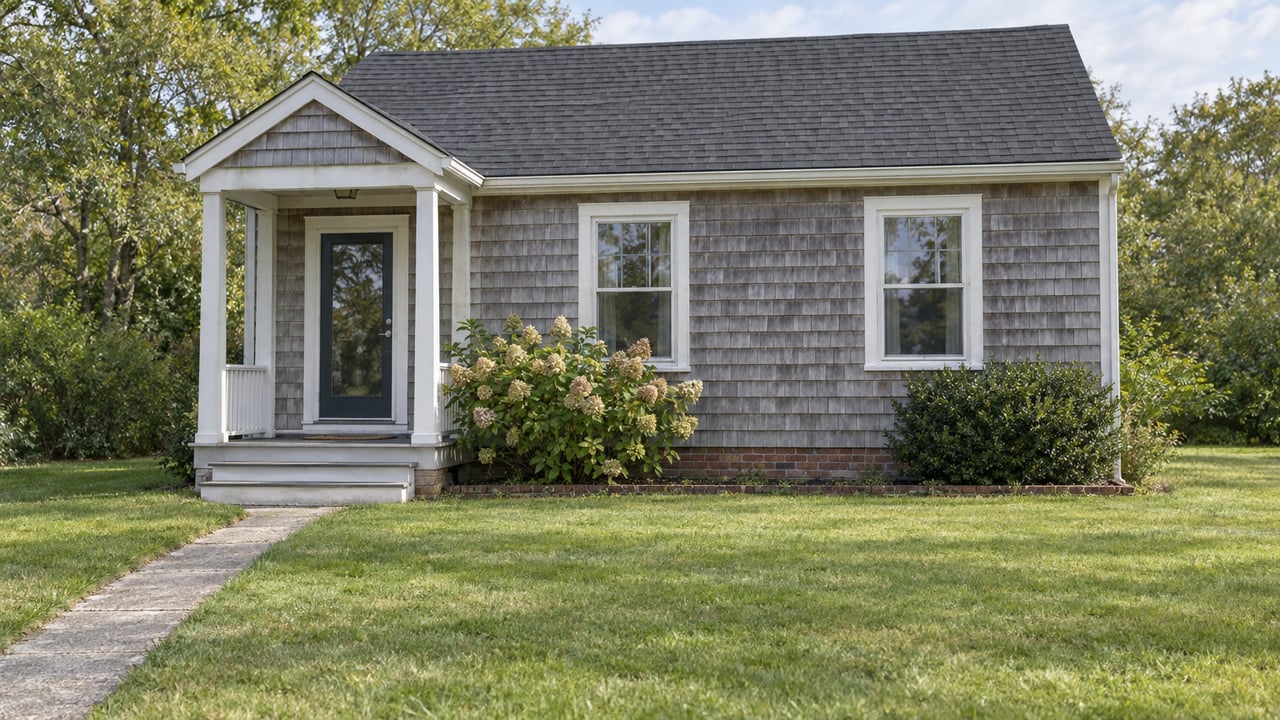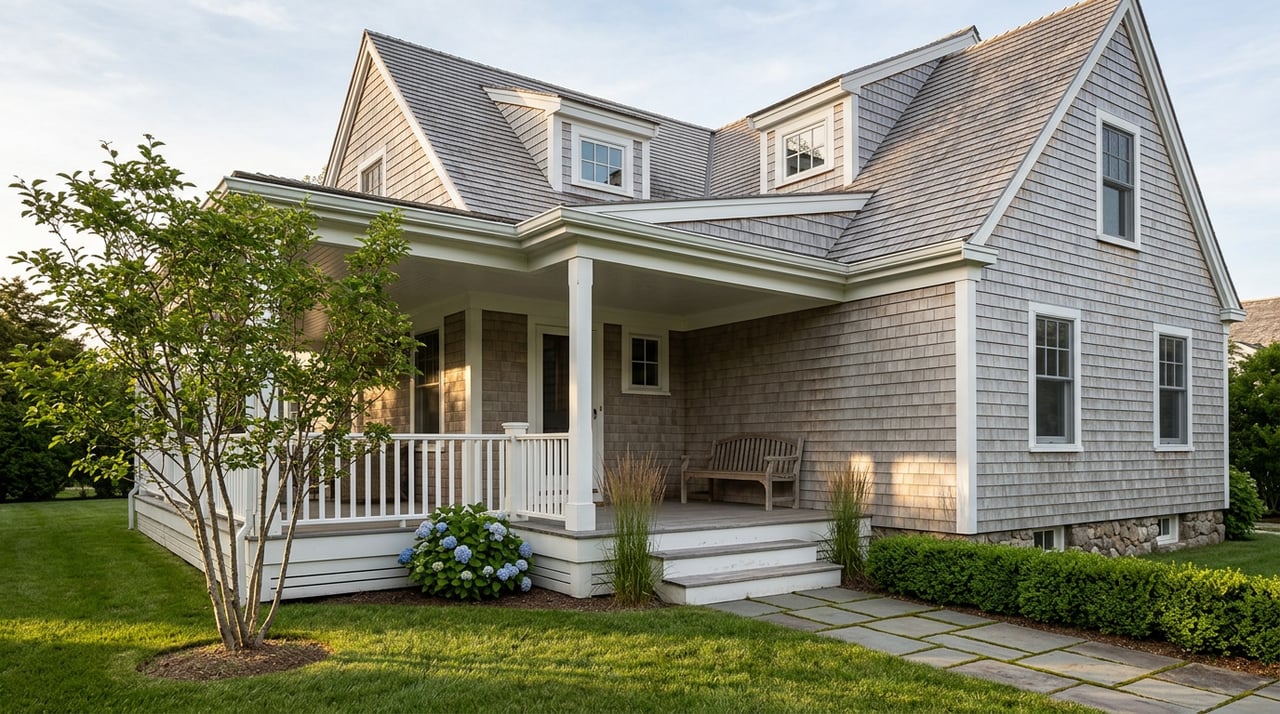
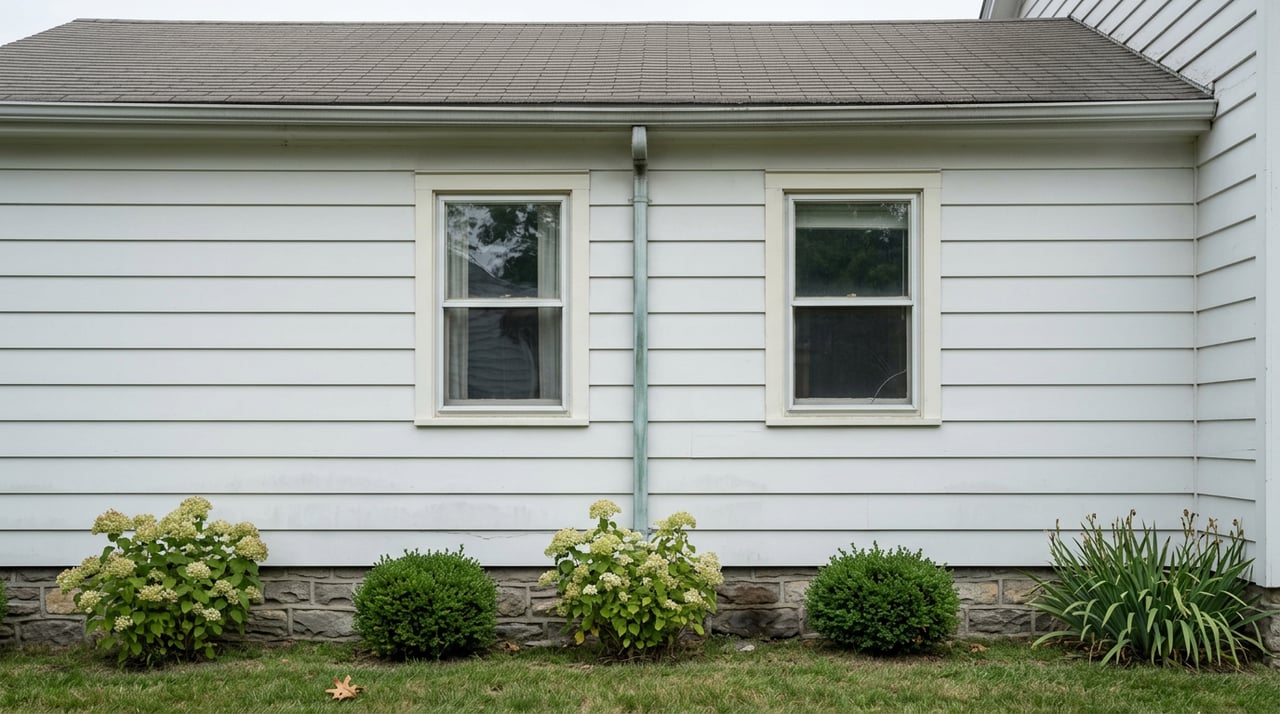
On May 11, 2026, the Newburyport City Council voted 9-2 to extend the city's demolition delay ordinance from twelve months to eighteen for homes the Historical Commission designates "preferably preserved." Most coverage of that vote framed it as a preservation story, another chapter in the long argument over whether Newburyport protects its Federal-era mansions aggressively enough. That framing misses the part that actually matters if you're shopping this market right now.
The debate that produced Ordinance 217 wasn't about High Street. City Councilor Ben Harman noted the proposal had originally called for a 36-month delay and an expanded definition covering structures as young as 50 years old, before councilors negotiated it down. And the case that pushed the council to act at all centered on a specific loss: preservation advocate Kolterjahn told the council that the city lost four small starter and affordable homes to total demolition the year before. Not mansions. Starter homes.
That distinction is the thesis of this piece. If you assume Newburyport's historic protections are a luxury-tier concern, something that shows up when you're bidding on a $2 million captain's house on High Street and can be ignored everywhere else, you're planning your purchase around the wrong risk. The same regulatory apparatus that reviews additions to Greek Revival mansions now has real teeth reaching directly into the entry-level end of this market, and that changes the math for a much larger share of buyers than the headlines suggest.
Two Layers of Review, and Most Old Houses Sit Under Both
Newburyport regulates old buildings through two separate mechanisms, and knowing which one applies to a specific address determines your renovation timeline before you even get to the closing table.
The first is the Fruit Street Historic District, the city's only formal local historic district, established by City Council ordinance in October 2007. Any exterior change inside that district, from a new roofline to a repainted trim color, requires a certificate of appropriateness from the Local Historic District Commission. This is a small, defined footprint, and if your target property sits inside it, you already know to budget review time into your timeline.
The second layer is broader and easier to miss. Citywide, any primary structure 75 years or older can trigger the demolition delay ordinance regardless of whether it sits in a formal historic district, unless the work falls inside the Demolition Control Overlay District or Downtown Overlay District and stays under specific thresholds. Inside those overlay zones, minor work gets a pass: window replacement in an existing opening doesn't trigger review, and exterior wall demolition under 25 percent doesn't either. But step outside those exemptions, and the fact that your house was built before 1951 is enough to put a demolition or major roofline change in front of the Newburyport Historical Commission, whether or not anyone has ever called your street "historic."
NHC vice chair Chris Sawtelle told the council the commission typically imposes demolition delay at an applicant's initial hearing and meets twice a month, a faster cadence than Amesbury's process. That efficiency cuts both ways for a buyer. It means a determination usually comes quickly. It also means the eighteen-month clock, once triggered, starts running almost immediately, not after months of administrative drift.
Where the Price Bands Actually Sit
The reason this matters more broadly than a High Street story is where Newburyport's inventory actually falls by age and price.
| Sub-market | Typical price range | What usually applies |
|---|---|---|
| High Street corridor | $1.5M to $4M+ | Fruit Street district in parts, demolition delay ordinance citywide |
| South End (near Atkinson Common, walkable to downtown) | $850K to $1.3M | Demolition delay ordinance if 75+ years old; DCOD exemptions for minor work |
| Historic-core condos (converted Federal-era buildings) | $400K to $900K | Same age-based triggers as any single-family in the same footprint |
The citywide median single-family sale price for 2025 was $1.1 million, according to The Warren Group's annual Massachusetts housing data released in January 2026, and homes have been selling in roughly 27 to 29 days on average in early 2026. Those numbers describe a fast market. What they don't describe is that a meaningful share of the inventory moving at that median and below it, particularly in the South End and the historic-core condo stock, is old enough to fall under the same demolition delay review that applies to a High Street mansion. The starter homes the council cited weren't outliers. They were representative of a large slice of what's actually for sale under $900,000 in this city.
The Inspection Findings That Show Up at the Same Age Threshold
Here's where the friction compounds. The age that triggers historic review, roughly pre-1950 for demolition delay and often pre-1900 for the oldest South End and downtown stock, is the same age range where inspectors in this region routinely find knob-and-tube wiring and lead-based paint. Massachusetts follows a caveat emptor standard for home sales. Sellers aren't required to complete a general disclosure form. They're required to disclose two things specifically: the presence of lead paint, and the presence of a septic system covered under Title 5 of the Massachusetts Environmental Code. Everything else is on the buyer to find during inspection.
That means a buyer under contract on a pre-1900 Newburyport house should expect three things to surface around the same time as any historic review question:
- Knob-and-tube wiring, if still active, which some insurance carriers won't write a policy on without a full rewire. This is a financing issue as much as a safety one, and it can affect your closing timeline directly if your insurer flags it late.
- A federally mandated lead paint disclosure for anything built before 1978, which gives buyers a 10-day window to test before the purchase becomes binding under the Lead-Based Paint Hazard Reduction Act.
- A Title 5 septic inspection, if the property isn't on town sewer, which must have been completed within the two years before the sale and dictates whether a failed system needs to be addressed before or after closing.
None of these are unusual on their own. What's less obvious is that they cluster around the exact same properties the demolition delay ordinance was written to slow down. A buyer who assumed the historic paperwork was the only friction point can find themselves also negotiating a rewire credit and a lead paint remediation estimate in the same week, on a house that was priced like a straightforward starter home.
What This Means Depending on Which Side of the Table You're On
If you're buying in the South End or a historic-core condo under $900,000, treat the age of the structure as a checklist item before you write an offer, not something you discover at inspection. Ask directly whether the home has had any exterior work reviewed by the Historical Commission, whether wiring has been updated, and whether it's on town sewer. On a home near the 75-year threshold, a quick call to the Planning Department can tell you whether demolition delay would even apply if a future owner wanted to add on or change the roofline.
If you're selling an older Newburyport home, the caveat emptor standard protects you from having to volunteer information the law doesn't require, but it doesn't protect you from a slow deal. A pre-listing electrical assessment and a current Title 5 inspection, ordered before the property goes on the market, can keep those findings from becoming a renegotiation point after you've already accepted an offer. On a home assessed near the city median, Newburyport's FY2026 residential tax rate of $9.28 per $1,000 puts annual property taxes in the ten-thousand-dollar range, and buyers weighing that carrying cost against a rewire or septic repair estimate will do the math whether you've prepared for it or not.
A Few Direct Questions
Does the demolition delay ordinance apply to a house that's never been called "historic"? Yes, if it's 75 years or older and outside the specific overlay exemptions. Age is the trigger, not a plaque or a district designation.
Can I still replace windows in an old Newburyport house without a hearing? Inside the Demolition Control Overlay District, window replacement in an existing opening is exempt from Historical Commission and Zoning Board review. Outside that overlay, or if you're changing the opening size, check with the Planning Department before assuming the same rule applies.
Is knob-and-tube wiring a dealbreaker? Not usually, but it can delay a closing if your insurer won't bind coverage until it's addressed. Get an electrician's estimate during your inspection period, not after your loan is already in underwriting.
Does the seller have to tell me about lead paint or a septic system? Under Massachusetts law, yes, those are the two disclosures required regardless of what else the seller chooses to share.
Newburyport's oldest housing stock rewards buyers who understand the paperwork before they're three weeks into a purchase and sale agreement. If you're weighing a specific address against these rules, or want a read on where a property sits relative to the demolition delay ordinance before you make an offer, Marc Ouellet Realty Group can walk through it with you. Schedule a consultation and bring the address.