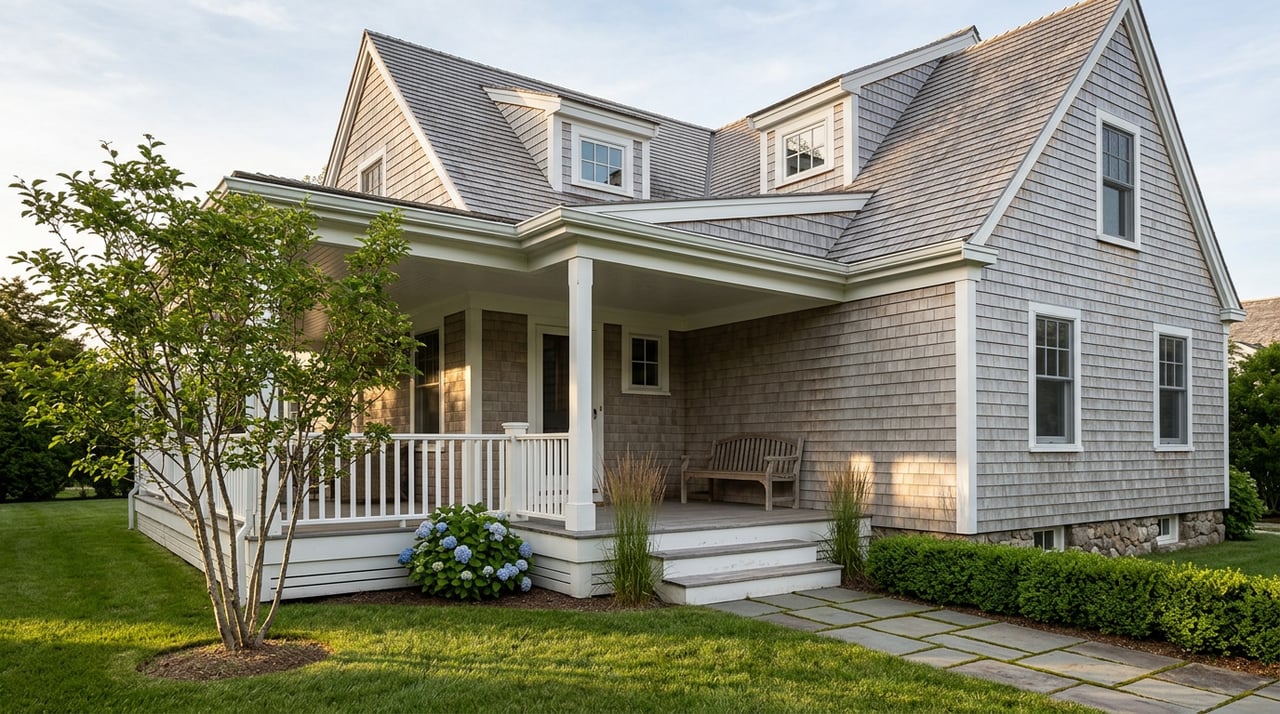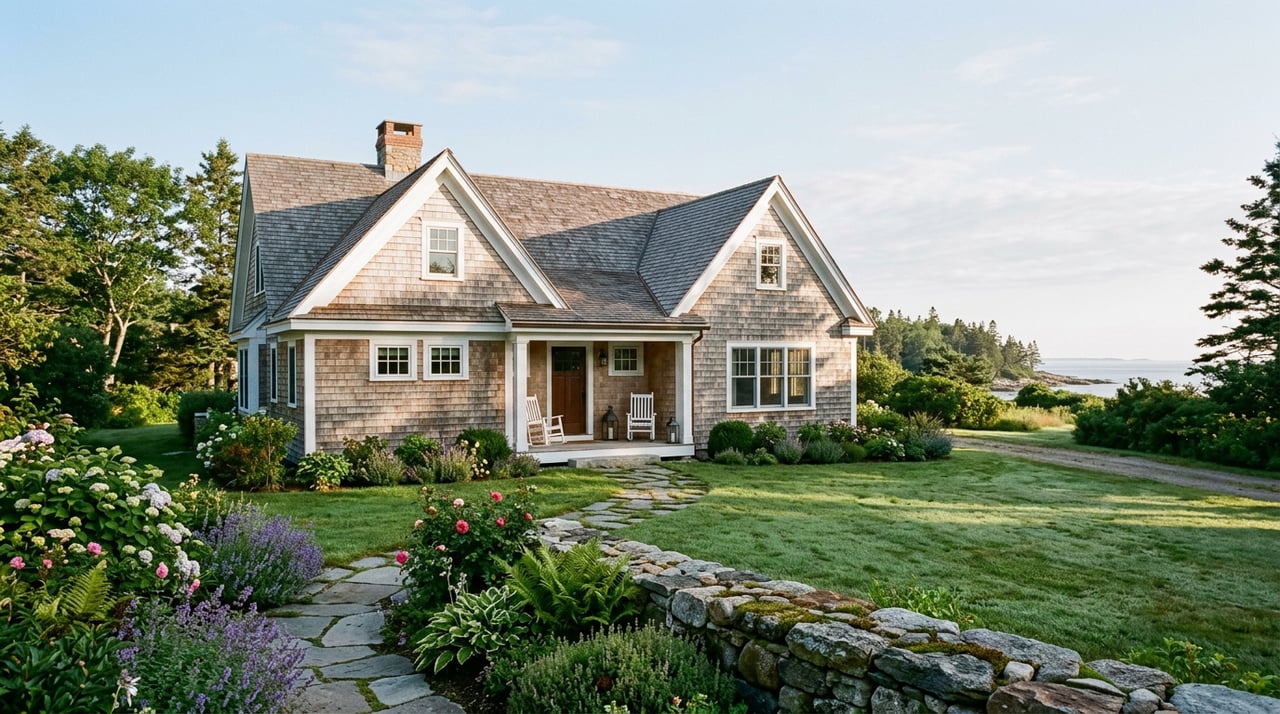
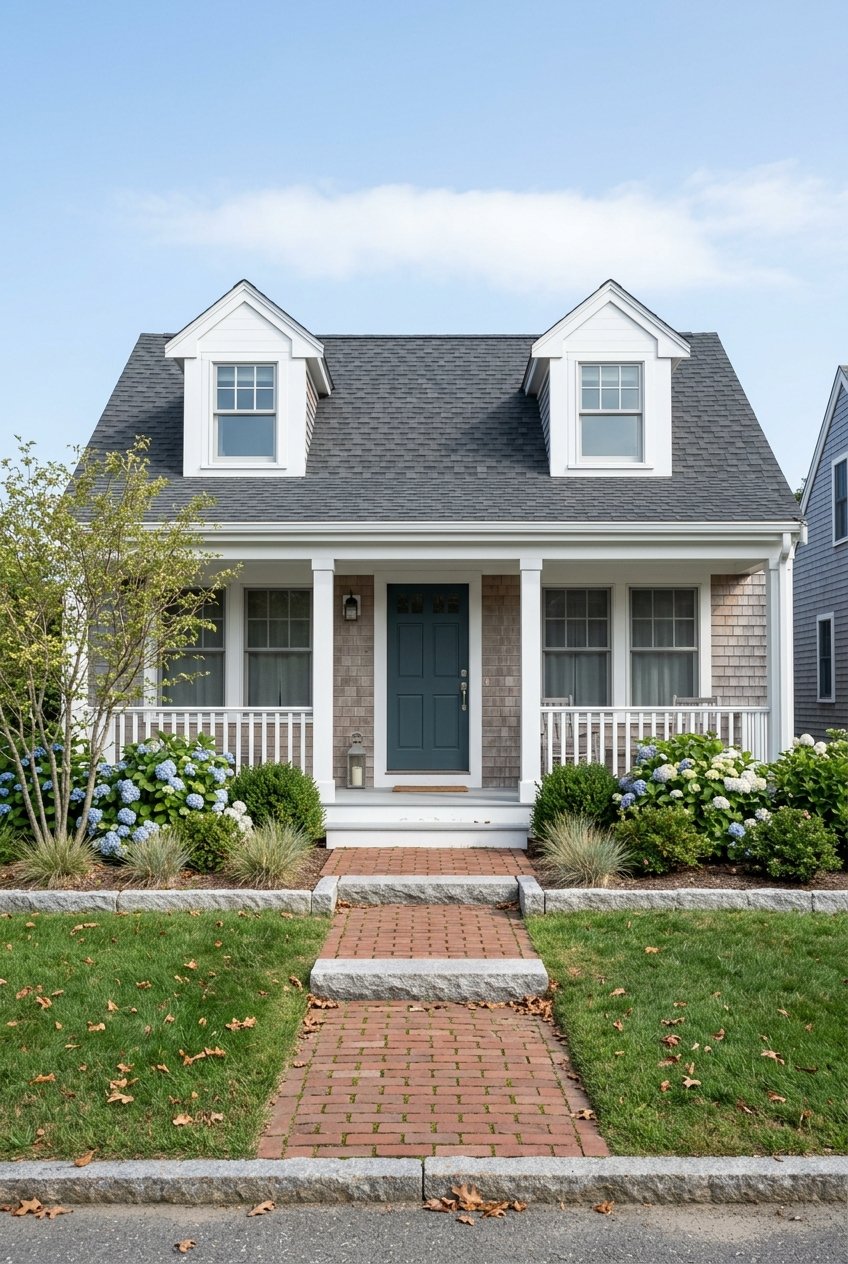
If you picture Hampton, NH as only a summer beach town, you are only seeing part of the story. For full-time residents, Hampton offers a very different day-to-day experience that blends coastal living, established neighborhoods, and practical access to the rest of the Seacoast. If you are thinking about buying a home here, it helps to understand how the town feels in July and how it feels in January. Let’s dive in.
Hampton feels coastal and residential
Hampton is best understood as a town with two identities that work side by side. Town planning materials describe it as a vibrant coastal community with attractive residential neighborhoods, an emerging Town Center District, and a seasonal destination beach resort.
That mix is a big part of Hampton’s appeal. You get the character and energy of a well-known beach destination, but you also get the routines and stability of a year-round community where people live, work, and put down roots.
The numbers support that idea. The town’s estimated population was 16,381 in July 2025, up slightly from 16,214 in the 2020 census, and 73.8% of housing units were owner-occupied. Households are also relatively small at 2.05 people per household, which adds to Hampton’s established, lived-in feel.
Year-round life changes by season
Living in Hampton year-round means experiencing a clear seasonal shift. In the warmer months, Hampton Beach becomes much busier, with more visitors, more traffic, and a more active atmosphere along Ocean Boulevard and nearby areas.
The Hampton Beach Village District’s calendar includes nightly summer entertainment at the Seashell Stage, along with events like Monday Night Movies on the Beach. That activity is part of what makes summer in Hampton fun, but it also means the beach area feels more like a resort district during peak season.
Once the busy season eases, the town takes on a quieter rhythm. The off-season tends to feel more local, more residential, and easier to navigate for everyday errands and routines.
What daily life looks like off the beach
One of the biggest surprises for some buyers is that Hampton is not just about the shoreline. Full-time residents also rely on everyday town services, local recreation spaces, and neighborhood amenities that support life beyond summer weekends.
Hampton Parks & Recreation maintains playgrounds, ball fields, courts, parks, and two town beaches. The town’s facilities also include a skate park, inline skate rink, pickleball, basketball, tennis, and sand volleyball, which gives residents a wide range of options for staying active close to home.
That matters if you want a town that feels livable in every season. Hampton has recreational infrastructure that supports regular routines, not just tourism.
The beach is still part of everyday life
Even if you live in Hampton full-time, the beach remains part of the town’s identity. Hampton Beach State Park is open year-round, and the state notes recreation opportunities including swimming, fishing, picnic use, and RV camping with full hookups.
Still, the beach experience changes with the calendar. Outside the operating season, the park is usually unstaffed and comfort stations are unavailable, while metered parking typically runs from April 4 to October 12.
Another detail worth knowing is that most of Hampton’s beaches are owned and maintained by the State of New Hampshire, while the town maintains Plaice Cove and Sun Valley. For residents, that means beach access here is shaped by both state-managed and town-managed spaces.
Getting around Hampton is mostly about driving
For most residents, Hampton is a driving town. One of the town’s biggest practical advantages is its location along major transportation routes, including I-95, NH Route 101, Route 1, and Route 1A.
That road access helps with commuting and regional travel. If you need to get to other parts of Southern New Hampshire, the Seacoast, or nearby Massachusetts communities, Hampton’s location is a real plus.
The tradeoff is seasonal traffic. During the summer, beach activity can make some routes feel slower and more crowded, especially near the shoreline and major visitor areas.
Regional transit is nearby
If you prefer to mix driving with regional transit, the options are nearby rather than directly in town. The Amtrak Downeaster serves Dover, Durham-UNH, and Exeter in New Hampshire, with direct service to Boston North Station.
COAST also operates regional bus service across Seacoast New Hampshire and southern Maine. For some residents, that can be useful for broader regional trips, even though Hampton itself is still primarily car-oriented.
Hampton has an established homeowner base
Hampton tends to attract buyers looking for a more established coastal town rather than a fast-growing suburban feel. Census data show that 30.9% of residents were 65 or older, while 11.6% were under 18.
Those figures point to a town with many long-term homeowners and a mature residential base. The median household income was $95,233, the median owner-occupied home value was $550,200, and median gross rent was $1,628.
For buyers, that can translate into a market where homeownership is common and neighborhood character often feels settled rather than brand new. If you value that sense of continuity, Hampton may feel like a good fit.
Dining and entertainment center near the beach
When you want restaurants and entertainment, the busiest concentration is near Hampton Beach, especially along Ocean Boulevard and Route 1A. State park information notes that the beach corridor includes restaurants, entertainment, and other services.
That setup gives the town a clear activity hub. In summer, the beach district is especially lively, while in quieter months it feels more manageable and less crowded.
For year-round residents, this can be a nice balance. You have access to the energy and convenience of a well-known coastal destination, but you are not living in peak-season conditions every day of the year.
Town services support full-time living
A true year-round town needs more than scenery, and Hampton has municipal services that support everyday life. The town provides trash and recycling services, and the transfer station offers regular operating hours along with curbside and transfer-station recycling options.
Those basics may not be flashy, but they matter. They help make Hampton feel functional and dependable for people who live here full-time, not just for visitors spending a weekend by the water.
What buyers should think about before moving
Hampton’s coastal setting is one of its biggest draws, but it also comes with important planning considerations. The town’s Coastal Resilience Roadmap focuses on coastal flooding, sea-level rise, and resilience planning, and it connects residents with flood alerts, property-risk maps, and related resources.
If you are considering a home in Hampton, this is part of the ownership conversation. Coastal access can be a major lifestyle benefit, but you should also understand how location, elevation, and flood-related considerations may affect a specific property.
That does not make Hampton unusual for a coastal market, but it does make due diligence especially important. A local real estate professional can help you think through how lifestyle goals and property details fit together.
Schools and civic structure
For buyers who want to understand the town’s local infrastructure, Hampton’s public school governance runs through Hampton School District SAU 90. Town budget and election materials also reference Hampton Academy and Winnacunnet High School as part of the local civic framework.
The key takeaway is that Hampton has a defined local-school structure as part of its year-round community setup. At the same time, the overall feel of the town remains more coastal and seasonal than a typical inland suburb.
Is Hampton a good fit for you?
Hampton tends to appeal to buyers who want coastal access, established neighborhoods, and strong road connectivity. It can be a smart choice if you like the idea of living near the water while still having practical town services and regional access.
It may be especially appealing if you are comfortable with a noticeable summer swing. The town gets busier, louder, and more visitor-driven in peak season, but many residents see that as part of the tradeoff for living in a place with real beach-town energy.
If you are looking for a community that feels local in the off-season and lively in the summer, Hampton offers that contrast in a very real way. And if you want help comparing Hampton with other Southern New Hampshire or Seacoast options, working with a local guide can make the decision much clearer.
If you are thinking about buying or selling in Hampton or nearby Southern New Hampshire, Marc Ouellet offers calm, local guidance to help you make a confident move.
FAQs
What is year-round living in Hampton NH really like?
- Year-round living in Hampton feels like a mix of coastal town life and established residential living, with a much busier beach atmosphere in summer and a quieter, more local feel in the off-season.
Is Hampton NH busy all year?
- No. Hampton has a clear seasonal swing, with the beach district becoming much more active during summer events and visitor season, while the colder months tend to feel calmer and more residential.
How do most people commute from Hampton NH?
- Most residents get around by car, and Hampton’s location on I-95, Route 101, Route 1, and Route 1A is one of its biggest everyday advantages.
Does Hampton NH offer more than beach activities?
- Yes. Hampton has parks, courts, playgrounds, ball fields, a skate park, pickleball, tennis, basketball, sand volleyball, and other facilities that support day-to-day recreation for full-time residents.
What should home buyers know about coastal property in Hampton NH?
- Buyers should understand that Hampton’s coastal location can bring flooding and sea-level-rise considerations, so reviewing local resilience resources and property-specific risk information is an important part of the process.
Is Hampton NH a good choice for full-time residents?
- Hampton can be a strong choice for full-time residents who want beach access, established neighborhoods, town services, and strong regional road access, and who are comfortable with a livelier summer season.