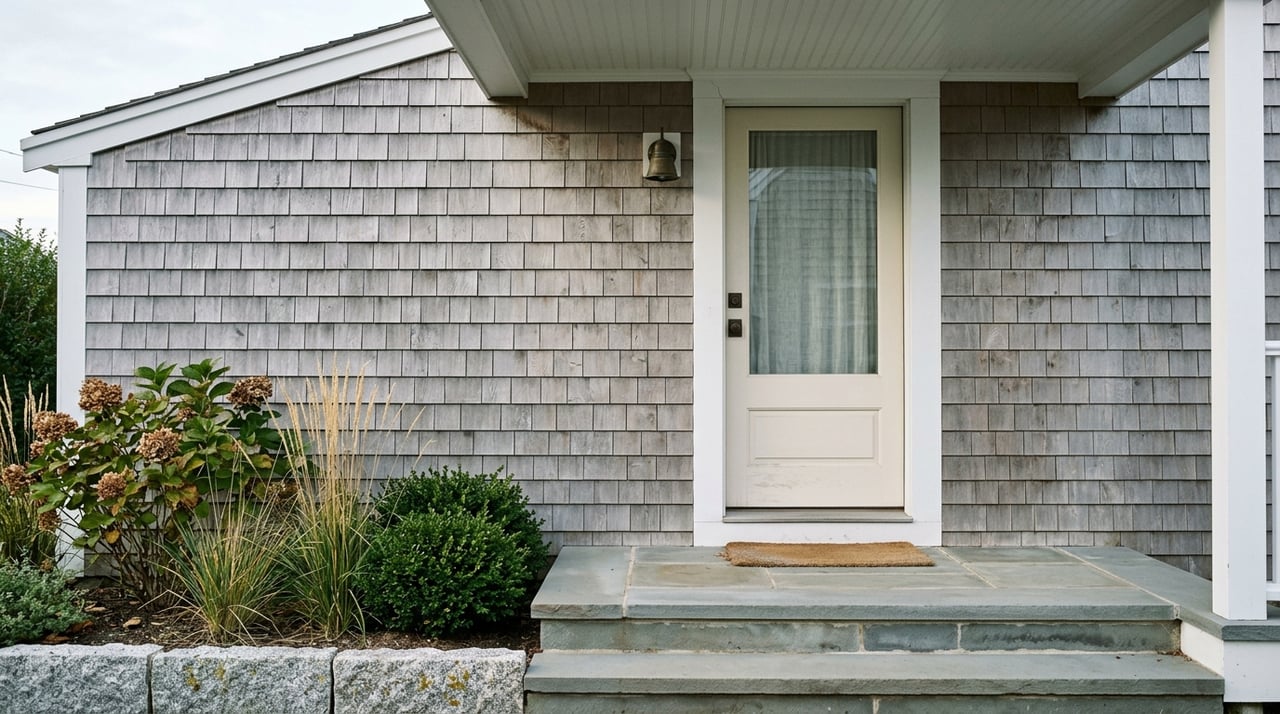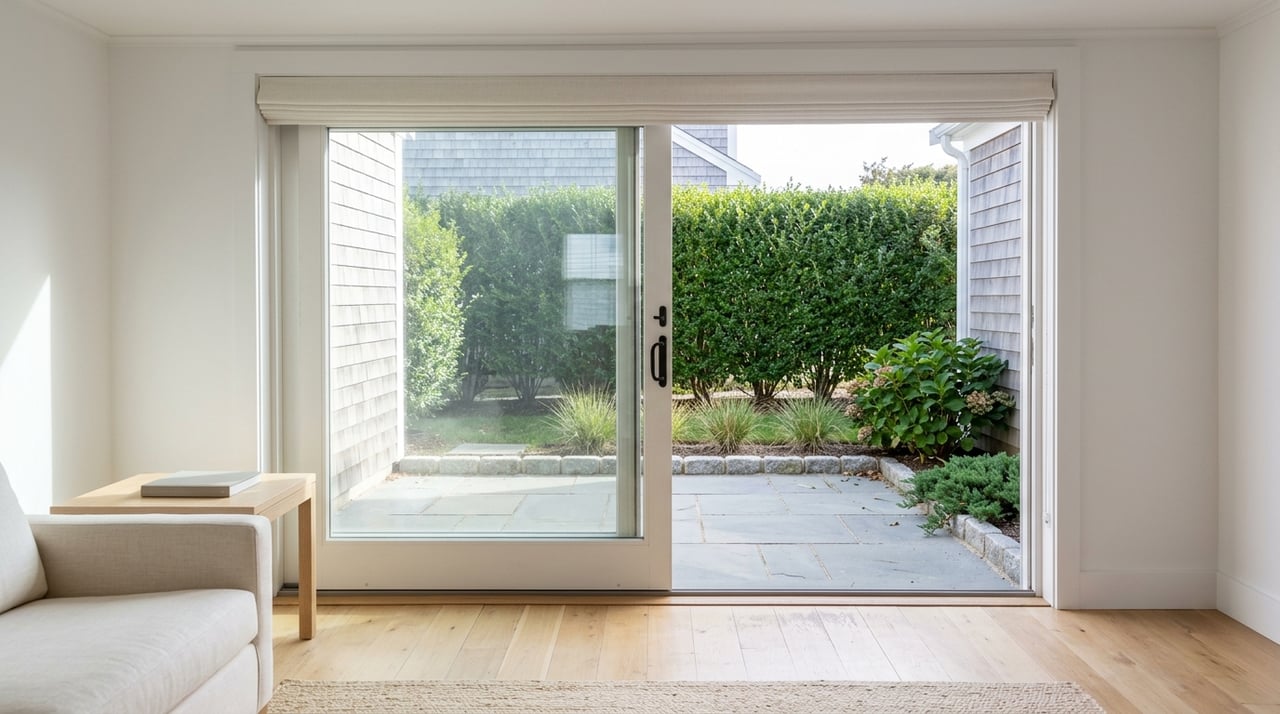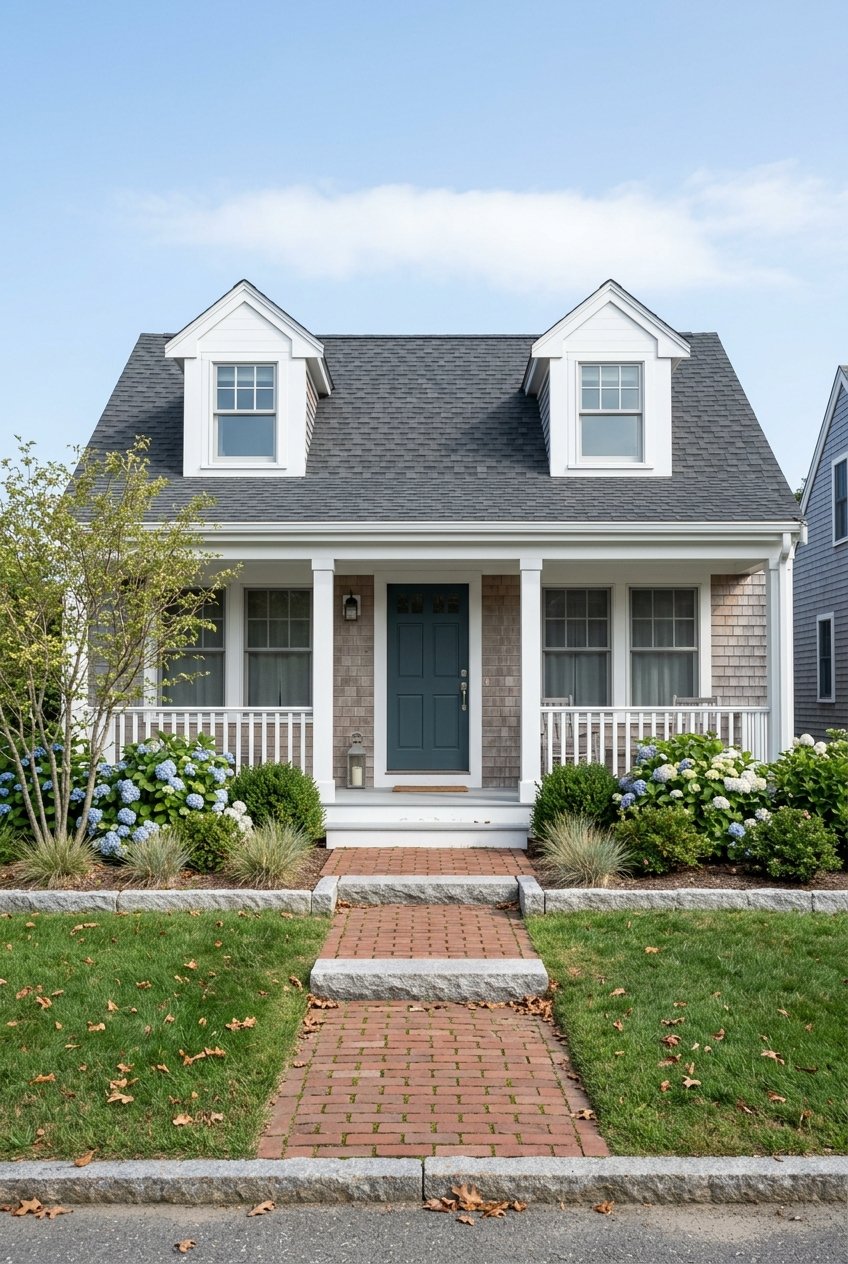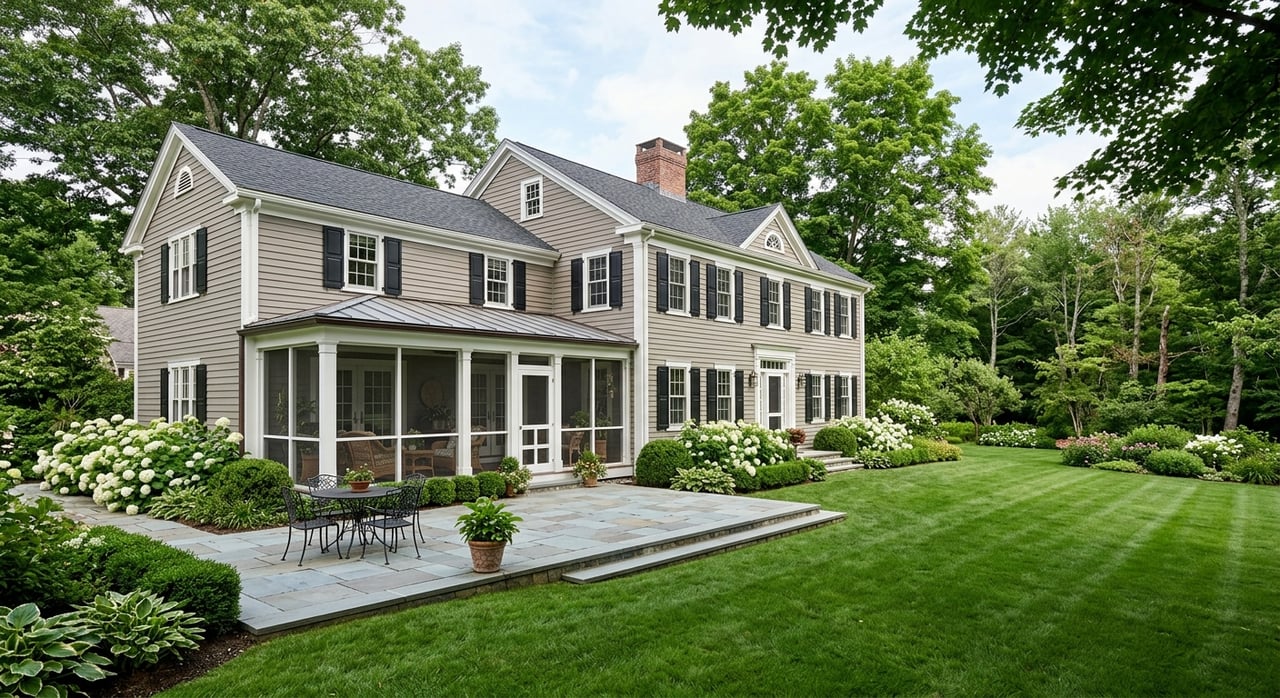
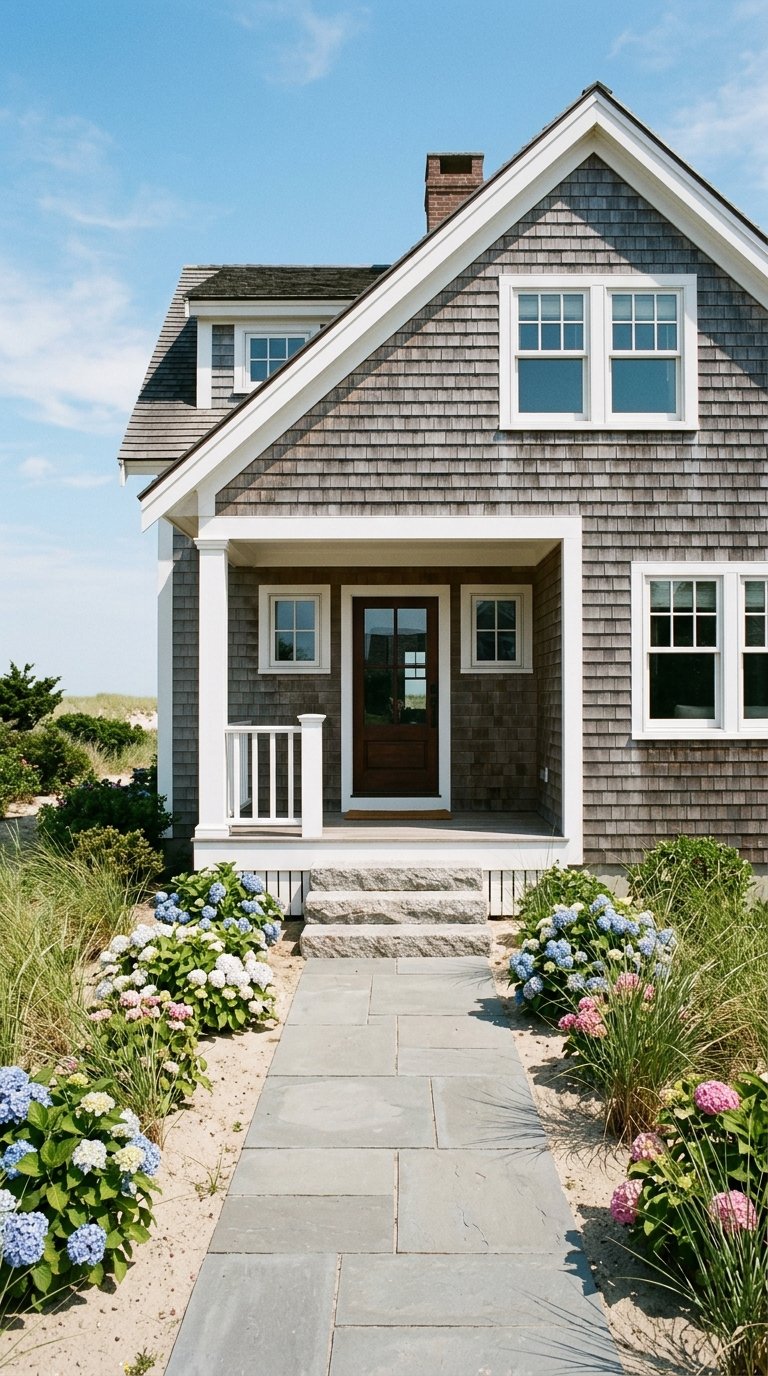
Thinking about trading Massachusetts for the New Hampshire coast? Hampton can be a smart move, but it is not simply a cheaper version of the North Shore. If you are considering buying here, you need to plan for a different tax picture, different property rules, and a coastal market that works on its own terms. Here is what to know before you make the move to Hampton.
Hampton Is a True Coastal Market
Hampton is a town on the Atlantic coast in Rockingham County, and it has a very different feel from many inland or suburban moves. The town spans 14.2 square miles of land and has a year-round population of nearly 16,000, but that seasonal population can reach about 100,000. That swing affects traffic, housing demand, and how certain properties are used throughout the year.
This is one reason Hampton should not be viewed as just another stop north of the Massachusetts line. The town describes itself as having nearly $4 billion in property, and local officials note the mix of dense residential areas, a major interstate highway, and a resort beach environment. In short, you are buying into a coastal community with both year-round and seasonal layers.
For buyers comparing nearby markets, Hampton sits in the middle of an interesting range. The Census reports a 2020 to 2024 median owner-occupied home value of $550,200 in Hampton, compared with $834,000 in Newburyport and $519,300 in Amesbury. That means Hampton may look more approachable than some coastal Massachusetts markets, but it is still a meaningful price point.
Budget for Hampton Taxes Carefully
If you are moving from Massachusetts, one of the biggest changes may be your overall tax structure. New Hampshire does not levy a personal earned-income tax or a statewide general sales and use tax, while Massachusetts taxes personal income at 5.0% for tax year 2025. That can be a meaningful shift for your household budget.
At the same time, you should not assume that lower income tax automatically means lower housing cost. Hampton’s 2025 total tax burden is $12.61 per $1,000 for standard town parcels, with other parcel classifications ranging from $11.45 to $13.23. Because the town breaks this out by parcel type, you need to verify the exact classification of the home you are considering.
A quick example shows why this matters. On a $600,000 home, Hampton’s standard 2025 tax burden comes to about $7,566 per year. For comparison, the same value would be about $5,748 in Newburyport, about $9,180 in Amesbury, and about $6,048 in Salisbury based on the reported local tax rates in the research.
Understand New Hampshire Closing Costs
Crossing the state line also changes your closing-cost math. In New Hampshire, the real estate transfer tax is $0.75 per $100 of consideration, and state law applies that tax to both buyer and seller. Buyers should also expect recording fees of $10 for the first recorded page and $4 for each additional page.
On top of state-specific fees, total closing costs typically run about 2% to 5% of the purchase price, excluding your down payment. That makes upfront planning important, especially if you are also managing moving costs, reserves, and possible repairs after closing. A home that looks affordable on the list price alone may feel different once all-in costs are added.
Match Your Financing to New Hampshire
One of the easiest mistakes in a cross-border move is assuming financing programs work the same everywhere. They do not. New Hampshire Housing offers single-family mortgage programs that may include low down-payment options and up to $15,000 in cash down payment and closing-cost assistance.
That differs from MassHousing, which is focused on purchases in Massachusetts communities and may provide up to $25,000 in down-payment assistance there. If you are buying in Hampton, your financing should be structured around New Hampshire property rules and New Hampshire programs. This is a key step to sort out early.
Treat Inspections as a Core Step
If you have bought in Massachusetts before, do not assume the process will feel identical in Hampton. In New Hampshire, home inspectors must be licensed, and the legal scope of an inspection includes visible systems and components such as heating, cooling, plumbing, electrical, structural components, foundations, roofs, interior and exterior components, and site aspects. That is broad enough that the inspection should be treated as a serious due-diligence milestone.
For Hampton specifically, coastal conditions add another layer. Salt air, weather exposure, drainage, roofing, exterior wear, and site conditions can all matter more in a beach-area market. A careful review of the property’s condition is not just a box to check. It is part of understanding what ownership may look like over time.
Review Flood and Environmental Disclosures Early
New Hampshire seller disclosures are more detailed than many buyers expect. For one- to four-family homes, sellers must disclose private water system information, private sewage disposal information, insulation details, and whether the property is in a federally designated flood hazard zone. State law also requires pre-contract notice about radon, arsenic, lead, PFAS, and flood risk.
That matters in Hampton because it is a coastal town with nearly five miles of Atlantic shoreline. New Hampshire law also notes that standard homeowners insurance typically does not cover flood damage. If a property may involve flood exposure, it is better to review that early and understand insurance implications before you are deep into the transaction.
Check Schools and Commuting Property by Property
If your move involves day-to-day logistics, verify details early instead of making assumptions based on town lines alone. Hampton’s local school structure is SAU 90, with Centre School, Adeline C. Marston School, and Hampton Academy, while Winnacunnet High School serves Hampton, Seabrook, Hampton Falls, and North Hampton. For buyers, that creates a clear local and regional school setup to confirm as part of your home search.
If you are comparing Hampton with Massachusetts options like Newburyport or Amesbury, remember that school-related processes can differ. Some nearby Massachusetts districts publish annual school-choice openings and transportation rules based on grade and distance. If schools or transportation matter to your move, confirm assignment and eligibility before you write an offer.
Commuting is another area where planning pays off. Hampton has a state-owned Park and Ride on Towle Farm Road, and nearby C&J locations in Seabrook, Portsmouth, and Dover offer bus service to Boston South Station, Logan Airport, and other destinations. Depending on where the property sits, that can give you more than one workable commute strategy.
Property Type Matters in Hampton
In many towns, buyers focus mostly on price, size, and condition. In Hampton, property type and intended use can be just as important. Because Hampton has a large seasonal population, year-round living, seasonal use, and rental use are not all treated the same way.
The town states that units without a year-round Certificate of Rental Occupancy may be used year-round only by the owner of record. It also requires a rental certificate before residential premises may be rented or leased. If you are looking at a condo, beach-area property, second home, or investment purchase, these rules should be reviewed before you commit.
What Massachusetts Buyers Should Keep in Mind
The biggest takeaway is simple. A move to Hampton is not just a new address. It is a shift in taxes, closing costs, financing options, disclosures, flood review, school verification, commuting patterns, and occupancy rules.
That is why local guidance matters so much in a cross-border move. When you compare homes in Hampton against places like Newburyport, Amesbury, or Salisbury, the right question is not just which home looks best online. It is which property best fits your budget, your lifestyle, and the rules that come with owning in New Hampshire.
If you are weighing a move from Massachusetts to Hampton, a calm, local strategy can help you avoid surprises and focus on the homes that truly fit. Marc Ouellet can help you compare cross-border options, evaluate Hampton properties, and move forward with confidence.
FAQs
What should Massachusetts buyers know about Hampton property taxes?
- Hampton’s 2025 standard tax burden is $12.61 per $1,000, but the exact rate depends on parcel classification, so you should verify the specific property before buying.
What closing costs should buyers expect in Hampton, NH?
- New Hampshire charges a real estate transfer tax of $0.75 per $100 of consideration, applies it to both buyer and seller, and also charges recording fees, with total closing costs often landing around 2% to 5% of the purchase price excluding the down payment.
What inspection issues matter when buying a home in Hampton?
- Buyers should treat inspections as a major due-diligence step because New Hampshire inspections cover many visible systems and components, and Hampton’s coastal setting can add concerns tied to weather exposure and site conditions.
What flood details should buyers review for Hampton properties?
- Buyers should review flood-zone status, required seller disclosures, and insurance implications early because Hampton is a coastal town and standard homeowners insurance typically does not cover flood damage.
What should buyers know about schools in Hampton, NH?
- Hampton is part of SAU 90 for local schools, and Winnacunnet High School serves Hampton along with several nearby towns, so school assignment should be confirmed for the specific address you are considering.
Can buyers use Hampton properties year-round or as rentals?
- That depends on the property, because Hampton has occupancy and rental certificate rules that can affect year-round use, seasonal use, and leasing, so intended use should be verified before purchase.