Eyeing a move in Newburyport and torn between a downtown condo and a single‑family with a yard? You’re not alone. In a coastal market with tight inventory and strong demand, both options can fit well depending on budget, lifestyle, and long‑term plans. In this guide, you’ll compare true monthly costs, day‑to‑day upkeep, commute and walkability, financing nuances, and resale factors so you can choose with confidence. Let’s dive in.
Newburyport market snapshot
Recent snapshots show Newburyport as a high‑demand market with median sale prices in the high‑$800k range and listing medians often near or above $1M. Zillow’s value index has hovered around the low‑$900ks in recent tracking. In the Greater Newburyport region, condo and single‑family medians have been closer than you might expect, with condos making notable gains while single‑family prices remain resilient, according to North Shore REALTORS regional statistics.
Small coastal markets can move quickly and medians can swing month to month, so use this as a directional view and confirm with current comps when you’re ready to shop.
What fits your lifestyle
Downtown condo living
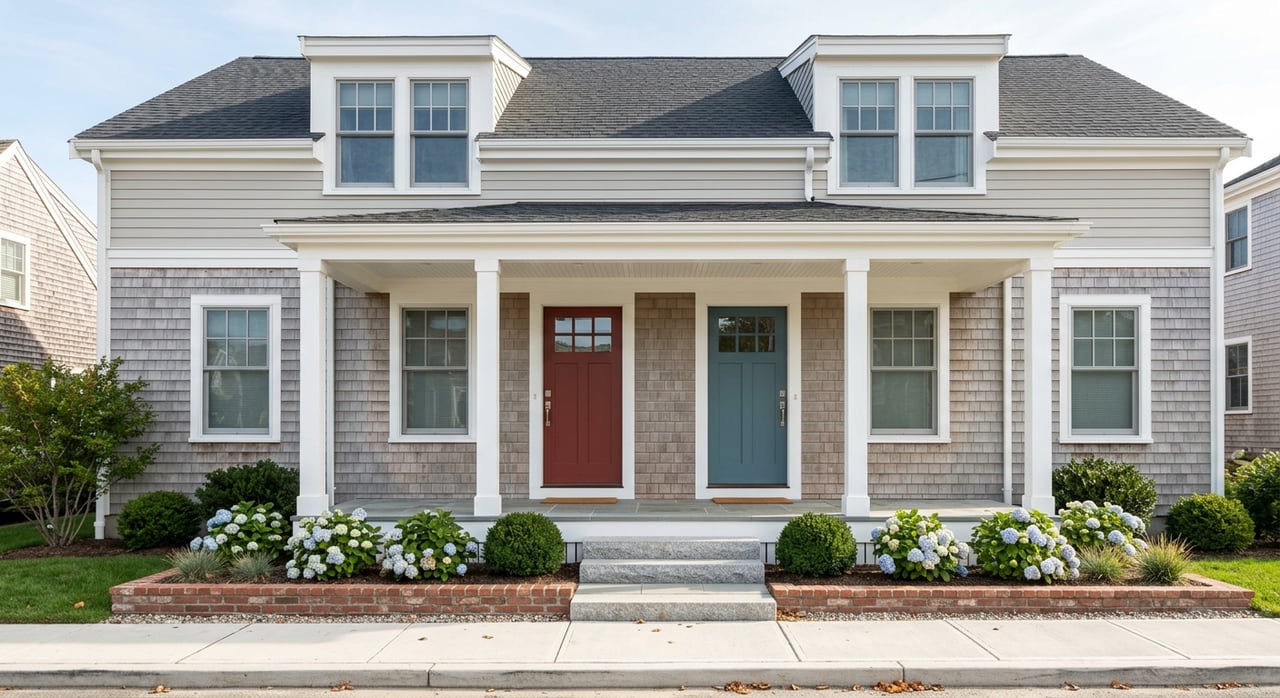
If you want easy access to restaurants, the waterfront, and Market Square, a condo near Merrimac, State, or High Street can be a smart fit. Central addresses tend to be far more walkable than the city average. You can see the gap by checking Walk Score’s downtown map. Condos are often smaller on average, but they trade some private maintenance for monthly association services and an easier lock‑and‑leave setup.
Single‑family space and privacy
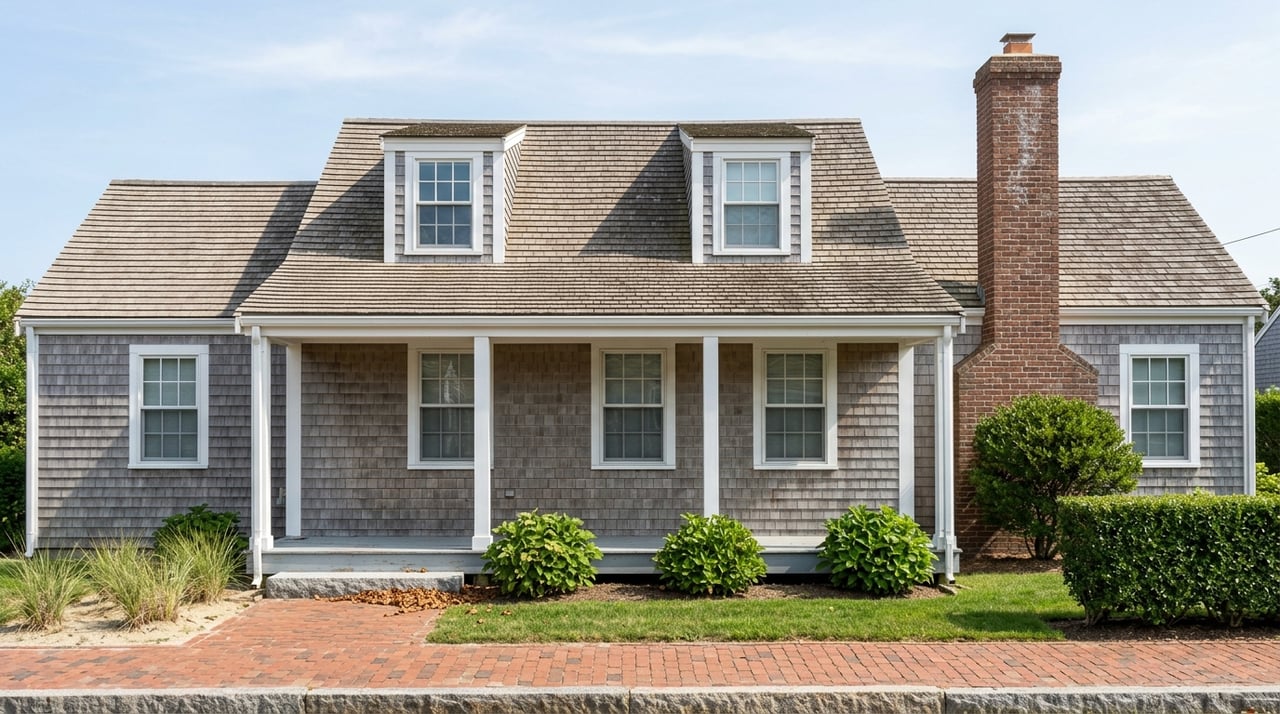
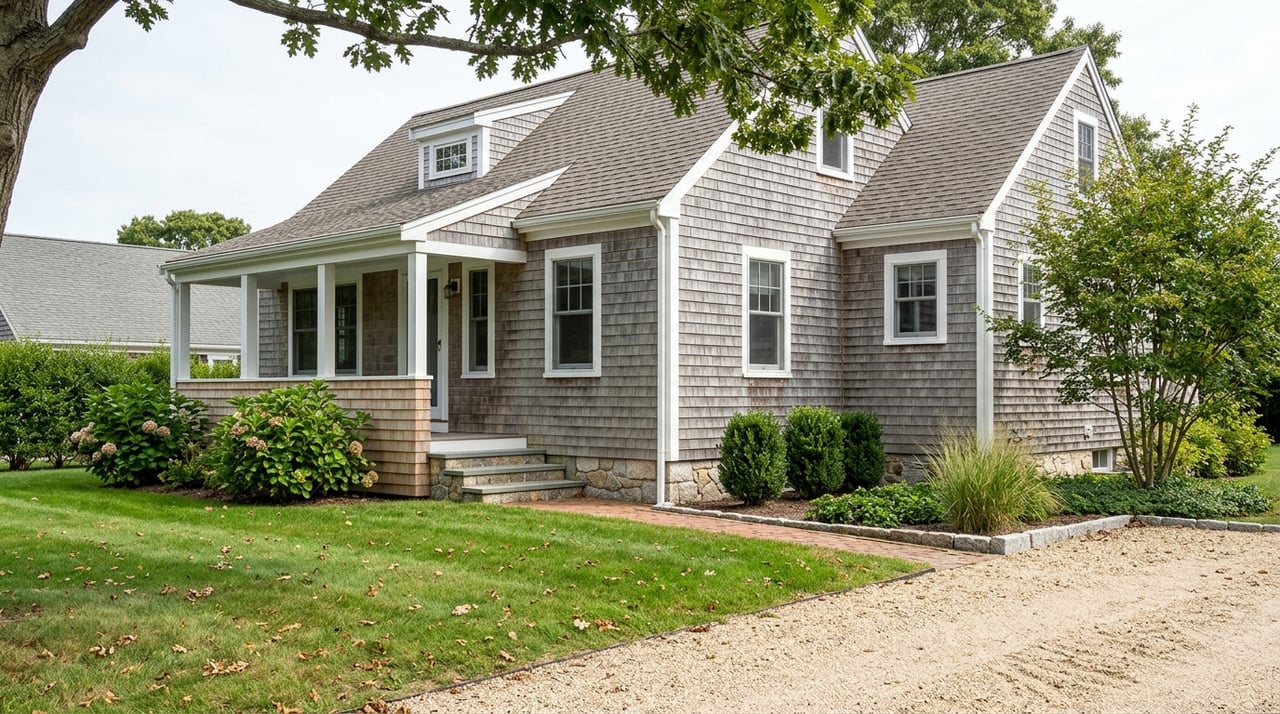
If you prefer more interior space, a yard, and direct outdoor access, a single‑family in areas like the South End, Joppa, or out toward Plum Island may fit better. You’ll likely enjoy larger lots and more flexibility, with the tradeoff of handling exterior maintenance yourself. Traffic and parking can be seasonal closer to Plum Island, so factor that into your summer routine and guest planning.
Monthly cost comparison
Your monthly carry will look different depending on the property type. Property taxes are billed by the city and are separate from any condo fees.
- Newburyport’s FY2026 proposed property tax rate is about $9.28 per $1,000 of assessed value, per the city finance memo.
- Condo HOA fees downtown vary widely, often about $175 to $600+ per month depending on building age, size, and what’s covered.
- Single‑family owners should plan for an ongoing maintenance reserve of about 1 to 3 percent of home value per year, a common rule of thumb summarized by Reviews.com.
Here’s a simple, non‑mortgage snapshot to compare the recurring pieces:
Example: $700k condo (illustration only)
- Property tax estimate: about $6,496 per year, or roughly $541 per month at the current proposed rate.
- HOA fee: assume $400 per month for a mid‑range example.
- Insurance: HO‑6 condo policy (typically lower than a full homeowners policy, varies by carrier and coverage).
Estimated non‑mortgage monthly: about $941 plus insurance.
Example: $1.1M single‑family (illustration only)
- Property tax estimate: about $10,208 per year, or roughly $851 per month at the current proposed rate.
- Maintenance reserve: budgeting 1 percent equals about $11,000 per year, or roughly $917 per month. Older or coastal‑exposed homes may require more.
- Insurance: full homeowners policy (varies by carrier and coverage).
Estimated non‑mortgage monthly: about $1,768 plus insurance.
Your exact payments will depend on the purchase price, assessed value, insurance choices, and, for condos, the specific HOA budget. Always review live numbers during your offer period.
Ownership responsibilities and insurance
Condo fees and what they cover
Condo fees usually fund common‑area maintenance, building insurance under the association’s master policy, landscaping, snow removal, and reserves for future projects. Some buildings include heat, hot water, or water/sewer. Because coverage differs by building, review the master policy and budget closely. A good overview of how HO‑6 unit‑owner policies interact with master policies is outlined by NerdWallet.
Massachusetts law also requires condominium organizations to maintain an adequate replacement reserve fund and make certain records available to owners. You can read the statute in Chapter 183A, Section 10. Ask for reserve balances, recent budgets, and any planned capital work.
Single‑family upkeep and planning
With a house, you control the timeline and quality of exterior work, but you also carry the full cost. The 1 to 3 percent maintenance guideline from Reviews.com is a helpful planning tool. Adjust for age, size, and coastal exposure. If the home is near the water or in a flood‑prone area, factor in potential flood or wind coverage as part of your insurance planning.
Financing and resale notes
Condo lending and project eligibility
Condo mortgages add one more step: lenders review the project’s finances, insurance, and documents, and some projects may have restrictions that affect loan options. Ask early whether the building is considered “warrantable” by your lender. Fannie Mae’s condo project eligibility overview can help you understand what lenders look for.
Resale risks and what to watch
- Reserves and assessments: Low reserves can lead to special assessments. Massachusetts requires a replacement reserve fund, but “adequate” varies by building. Review balances and recent capital projects per Chapter 183A, Section 10.
- Rental rules and investor mix: Caps or high investor shares can influence demand and lending. Confirm owner‑occupancy ratios and any leasing restrictions with the association.
- Buyer pool: Single‑family homes often attract a broad audience that values space and yards, while condos appeal to downsizers, commuters, and lock‑and‑leave buyers. In a tight local market, well‑positioned homes in either category can move quickly.
Your condo due‑diligence checklist
Request these items early and review them with your agent and lender:
- Current annual budget, last 2 to 3 years of financials, and reserve balance or study
- Master insurance policy, coverage form, and deductible; confirm if loss‑assessment coverage is advisable on your HO‑6
- Board meeting minutes for the past 12 to 24 months for any special assessments or deferred projects
- Bylaws and declaration for rental restrictions, pet rules, and exclusive‑use areas
- Any pending litigation disclosures or recent special assessments
- Lender guidance on project warrantability and loan program options
Commute and mobility
Newburyport has direct MBTA commuter rail service to Boston’s North Station on the Newburyport/Rockport Line. Typical one‑way times run about 1 hour to 1 hour 10 minutes, depending on train and schedule. Check the current MBTA timetable for updated service.
If you want a car‑light lifestyle, focus your search near the downtown core where walkability and bikeability are stronger. If you prefer yard space and parking, outlying neighborhoods trade walkability for privacy and square footage.
Quick decision guide
- Choose a condo if you want walkability, lower personal maintenance, a lock‑and‑leave lifestyle, and are comfortable with HOA oversight and fees.
- Choose a single‑family if you value space, outdoor living, and control over your home’s exterior and timeline, and you’re ready to manage ongoing maintenance.
- Not sure? Compare non‑mortgage monthly costs side by side using the city tax rate and a realistic HOA or maintenance figure. Then weigh commute, walkability, and your time.
Ready to talk through the tradeoffs on an actual property list and budget? Reach out to Marc Ouellet to map your options, review live HOA budgets and comps, and build a plan that fits your next move.
FAQs
What should Newburyport condo buyers budget for monthly HOA fees?
- Many downtown associations fall roughly between $175 and $600+ per month, depending on building age, size, and included services; verify the exact amount and coverage in the HOA budget and master policy.
How do Newburyport property taxes factor into monthly costs?
- The city’s FY2026 proposed rate is about $9.28 per $1,000 of assessed value, which you can use to estimate annual taxes and convert to a monthly figure when comparing homes.
Is downtown Newburyport walkable enough to skip a second car?
- Central addresses near Market Square, State, and Merrimac generally score higher for walkability; review Walk Score’s downtown map and test your daily routine on foot before you buy.
What is a condo special assessment and how can I spot the risk?
- It is an extra owner charge to fund a shortfall or project; check reserves, recent budgets, board minutes, and planned capital work per Chapter 183A, Section 10 to gauge risk.
How long is the Newburyport MBTA commute to Boston?
- Typical one‑way rides run about 1 hour to 1 hour 10 minutes; confirm the latest times on the MBTA schedule.
What insurance do I need for a condo vs a single‑family home?
- Condo owners usually carry an HO‑6 policy that pairs with the association’s master policy, while single‑family owners carry a full homeowners policy; review coverage with your insurer and see NerdWallet’s overview for basics.