
If you are thinking about selling in Salisbury, timing alone will not do the heavy lifting. In a balanced market, buyers tend to compare homes closely, notice condition, and react to pricing right away. The good news is that with a clear plan, you can launch with more confidence, fewer surprises, and a stronger strategy for your next move. Let’s dive in.
Why timing matters in Salisbury
Salisbury is a coastal North Shore town with distinct areas that can shape buyer interest, including Salisbury Beach, Salisbury Plains, Salisbury Square, and Ring’s Island. That variety matters because a home’s setting can influence how buyers compare it to other listings in town.
As of March 2026, Salisbury was described as a balanced market, with a median listing price of $614,000, 47 homes for sale, a 99% sale-to-list ratio, and a median of 22 days on market. For you as a seller, that points to a market where price, presentation, and condition can have a real impact on your result.
National data from Realtor.com points to mid-April as a strong listing window in 2026, specifically the week of April 12 through 18. Still, Salisbury sellers should not rely on a spring rule alone. Local inventory, recent comparable sales, and your home’s condition should shape the final launch plan.
Build your sale timeline backward
One of the smartest ways to prepare is to work backward from your ideal listing date. That gives you time to handle repairs, cleaning, photos, and paperwork without feeling rushed.
In many cases, sellers take about a month to get market-ready. If your home needs more attention, starting 60 to 90 days ahead can make the process much smoother.
60 to 90 days before listing
This is the foundation stage. Focus on decluttering, depersonalizing, deep cleaning, and identifying repairs that may affect buyer interest or negotiations.
A pre-sale inspection is not required in Massachusetts, but it can help uncover issues before buyers do. It will not catch every possible problem, since inspections are limited to readily accessible and exposed areas, but it can still help you plan repairs or pricing more confidently.
If you suspect larger items may come up, get estimates early. That includes things like roofing, HVAC, or major appliances. Even if you decide not to complete every repair, having numbers in hand can help you weigh whether to fix an item, offer a credit, or sell as-is.
30 to 45 days before listing
This is the time to tackle the details buyers notice first. Paint touch-ups, updated lighting, basic landscaping, cleaned windows, and refreshed walls can all improve how your home shows in person and in photos.
You do not have to fully stage your home to make it feel more market-ready. Many sellers focus instead on decluttering and correcting visible property flaws. If you do invest in staging, the rooms most often prioritized are the living room, primary bedroom, dining room, kitchen, and outdoor areas.
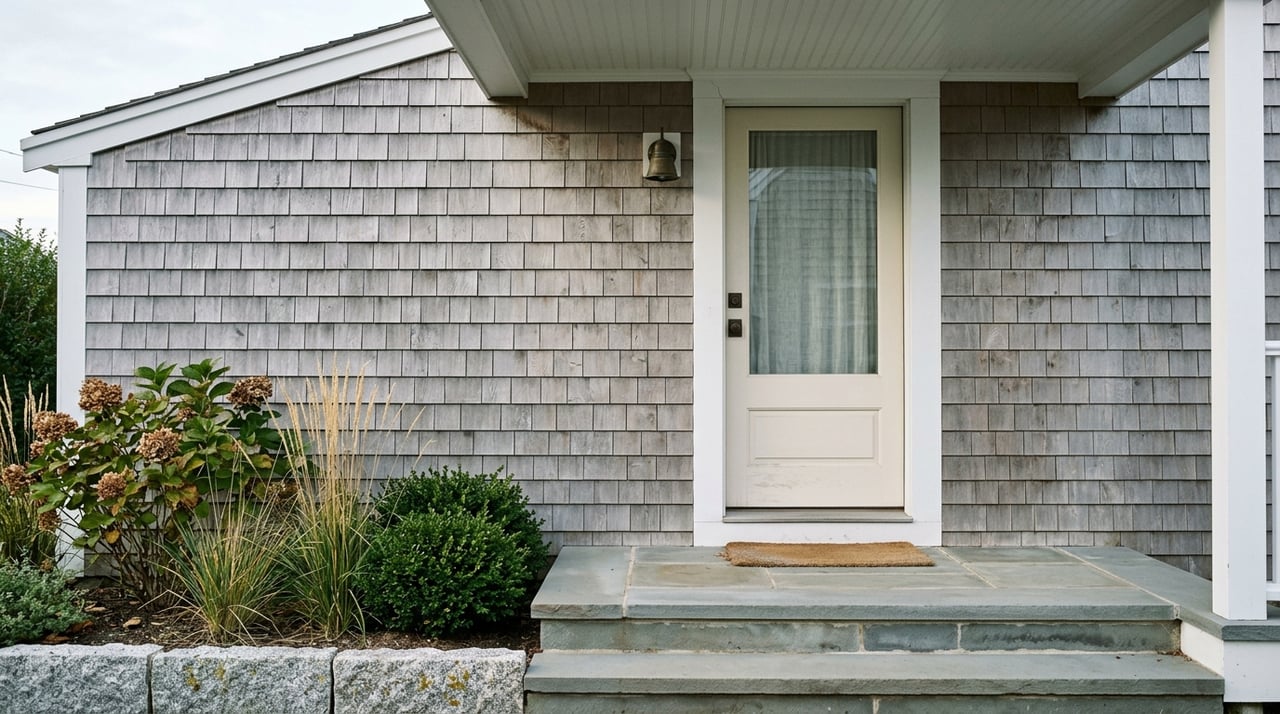
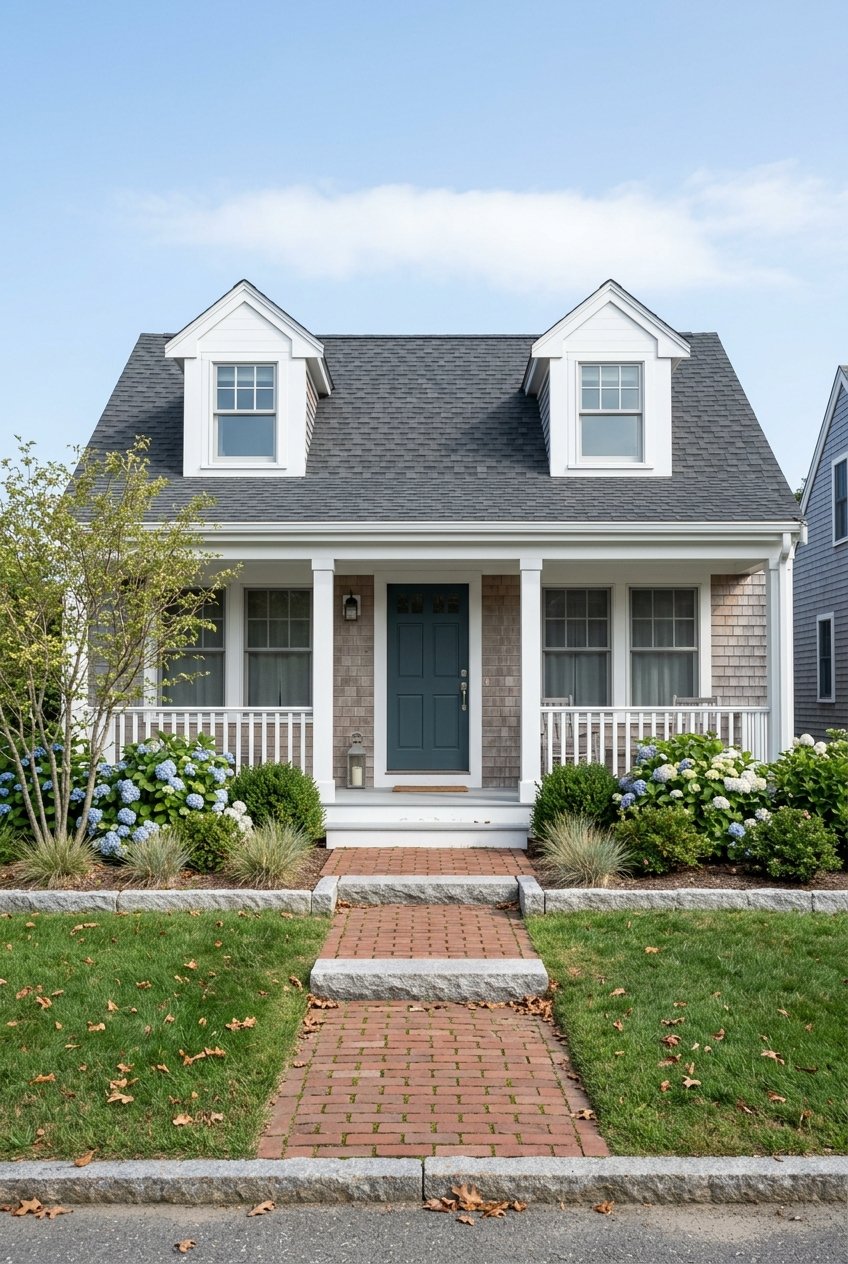
In a coastal town like Salisbury, exterior presentation matters. Clean walkways, tidy yard areas, and a well-kept entry can help buyers connect with the home before they even step inside.
1 to 2 weeks before listing
This is your launch window. Finalize pricing, complete staging, and prepare your photography and other listing media.
Photos are not a small detail. Buyers and their agents place high importance on listing photos, staging, video tours, and virtual tours, and staging often helps buyers picture the home as their future space. That means your marketing package should support your asking price, not just document the property.
This is also when you want your home looking consistent day after day. Last-minute scrambling can create stress and make it harder to keep the property ready for showings.
Listing week
Once your home is live, showing condition matters every day. Keep counters clear, surfaces wiped down, bathrooms tidy, valuables put away, and paths inside and outside the home free of clutter.
Small details can shape a buyer’s first impression fast. In Salisbury, where outdoor setting can be part of the appeal, clean exterior spaces and strong curb appeal can support both your online presentation and in-person showings.
Massachusetts rules that affect your prep
Massachusetts has a different seller disclosure framework than many other states. For most ordinary residential sales, sellers who are not in the business of selling homes do not have a broad affirmative disclosure requirement, except for lead paint.
That said, the disclosures that do apply are important and should be part of your timeline. Waiting until the last minute can create avoidable stress once an offer comes together.
Home inspection disclosure requirement
Massachusetts requires a written home-inspection disclosure before or at the signing of the first purchase contract for 1 to 4 unit residential properties, including condos and co-ops. Sellers also may not condition acceptance of an offer on the buyer waiving or limiting the right to inspect.
A buyer may still choose not to have an inspection after receiving that disclosure. But from your side, it is important to know this requirement exists so you are ready when negotiations move quickly.
Lead paint rules for older homes
If your home was built before 1978, the Property Transfer Lead Paint Notification must be provided before signing a purchase and sale agreement. You also need to provide copies of any lead inspection, risk assessment, compliance, or interim-control reports you have, along with any known lead information.
If a child under 6 will live in the home after transfer, Massachusetts Lead Law may require deleading or interim control within 90 days after title transfers. If your home falls into this age category, gathering documents early is one of the simplest ways to avoid delays.
Pricing strategy matters more in a balanced market
In a market where homes are selling at about 99% of list price, buyers are still active, but they are not ignoring value. They are comparing options, watching condition, and reacting to how well a home is positioned from day one.
That is why pricing should be tied to recent comparable sales, current competition, and your home’s specific features and condition. Overpricing can reduce momentum, while smart pricing can support showings, offers, and appraisal outcomes.
Appraisal risk is worth keeping in mind too, especially if you are counting on sale proceeds for your next purchase. If an appraisal comes in below the contract price, a buyer may ask for a price reduction, and depending on the contract terms, the sale could fall apart if no agreement is reached.
Plan your next move before you list
For many Salisbury sellers, the biggest question is not just how to sell. It is how to sell and buy on the right timeline.
In general, your options are to sell first, buy first, or try to line up both transactions close together. Each path can work, but each comes with tradeoffs in financing, logistics, and stress level.
Selling first
Selling first is often the cleaner financial route. It can free up your equity and reduce the chance that you will carry two mortgage payments at once.
If you want to avoid moving twice or facing a tight gap, you may be able to negotiate a rent-back or lease-back for 30 to 90 days, or structure an extended closing. Those options can give you more breathing room while you shop for your next home.
Buying first
Buying first can make sense if inventory is limited or if you have the cash flow and credit to handle an overlap period. But it can create more financing complexity and make mortgage qualification harder.
If you plan to buy before your current home closes, offer strategy becomes especially important. A home-sale contingency can protect you, but it may also make your offer less appealing to a seller.
Trying to time both together
A near-simultaneous sale and purchase can reduce the gap between homes, but it often requires more moving parts. Financing deadlines, inspection periods, appraisal timing, and packing logistics can all stack up fast.
For move-up or downsizing sellers, the best plan is usually the one that matches your financial comfort level and timeline. A clear strategy before listing can help you avoid rushed decisions once your home goes under contract.
A practical Salisbury seller checklist
If you want a simple way to organize the process, start here:
- Choose your target listing window based on local market conditions
- Declutter and depersonalize key rooms
- Deep clean the home and improve curb appeal
- Identify needed repairs and gather estimates for larger items
- Decide whether a pre-sale inspection makes sense for your situation
- Prepare any required Massachusetts documents early
- Refresh paint, lighting, and minor cosmetic details
- Get the home photo-ready before listing media is scheduled
- Finalize pricing using recent comps and current competition
- Make a plan for your next move before accepting an offer
Why strategy beats guesswork
Selling a home in Salisbury is not about checking a few boxes and hoping the market handles the rest. In a balanced market, the homes that stand out tend to be the ones with a thoughtful launch plan, realistic pricing, and strong presentation.
If you give yourself enough lead time, stay focused on the updates that matter most, and prepare for Massachusetts-specific requirements early, you put yourself in a much better position to move forward with confidence. And if your sale is tied to a purchase, that planning becomes even more valuable.
When you are ready to map out the right timeline, pricing approach, and launch strategy for your home, connect with Marc Ouellet for calm, local guidance tailored to Salisbury and the North Shore.
FAQs
What is the best time to list a home in Salisbury, MA?
- Mid-April may be a strong national listing window, but the best time to list your Salisbury home should depend on local inventory, recent comparable sales, and your property’s condition.
How far in advance should you prepare to sell a Salisbury home?
- Many sellers should start at least 30 days ahead, while homes needing repairs, cleanup, or more planning often benefit from a 60 to 90 day prep timeline.
Do Massachusetts home sellers need a full seller disclosure form?
- For most ordinary residential sales, Massachusetts does not require a broad seller disclosure form, but specific requirements still apply, including lead paint disclosures and a written home-inspection disclosure.
What disclosures matter when selling an older home in Salisbury, MA?
- If the home was built before 1978, you must provide the Property Transfer Lead Paint Notification and share any lead-related reports or known information before signing the purchase and sale agreement.
Should you get a pre-sale inspection before listing a Salisbury home?
- A pre-sale inspection is not required, but it can help identify visible issues early so you can decide whether to repair them, price around them, or prepare for negotiation.
Is it better to sell before buying your next home in Salisbury?
- Selling first is often the simpler financial option because it can unlock equity and reduce the risk of carrying two housing payments, though the right choice depends on your finances, timing, and next-home goals.